.jpg)

Key Takeaways
- In a clinical trial, Zepbound® had the best weight-loss outcomes compared to Wegovy®.
- Women tend to lose more weight than men on both medications, and they also report higher rates of nausea.
- Both medications are high-cost at list price, but self-pay options and other programs can bring the monthly cost down significantly, even without insurance.
Doctors prescribe Zepbound® (tirzepatide) and Wegovy® (semaglutide) more than any other GLP-1 medications for weight loss. A 2025 head-to-head trial revealed clear differences in average weight loss—but the data can’t predict which one will work best for you.
This guide compares what we know about Zepbound® versus Wegovy®: how they work, their results and side effects, and their costs. It also covers their unique impacts on women’s bodies so you can confidently advocate for your health.
How do Zepbound® and Wegovy® work differently?
After eating, your digestive tract releases a hormone called glucagon-like peptide-1 (GLP-1) to slow digestion, steady blood sugar, and signal fullness. Zepbound® and Wegovy® are both GLP-1 receptor agonists (GLP-1 RAs), meaning they bind to GLP-1 receptors in the body and mimic its effects.
Beyond this shared foundation, their chemical pathways diverge. While Wegovy® only copies the effect of GLP-1, Zepbound® also mimics a second hormone: glucose-dependent insulinotropic polypeptide (GIP). This second hormone quiets the brain regions that trigger intense cravings in response to weight loss. It also helps fat cells store and burn energy more efficiently. This dual action explains why clinical trials show people lose more weight on average while taking Zepbound®.
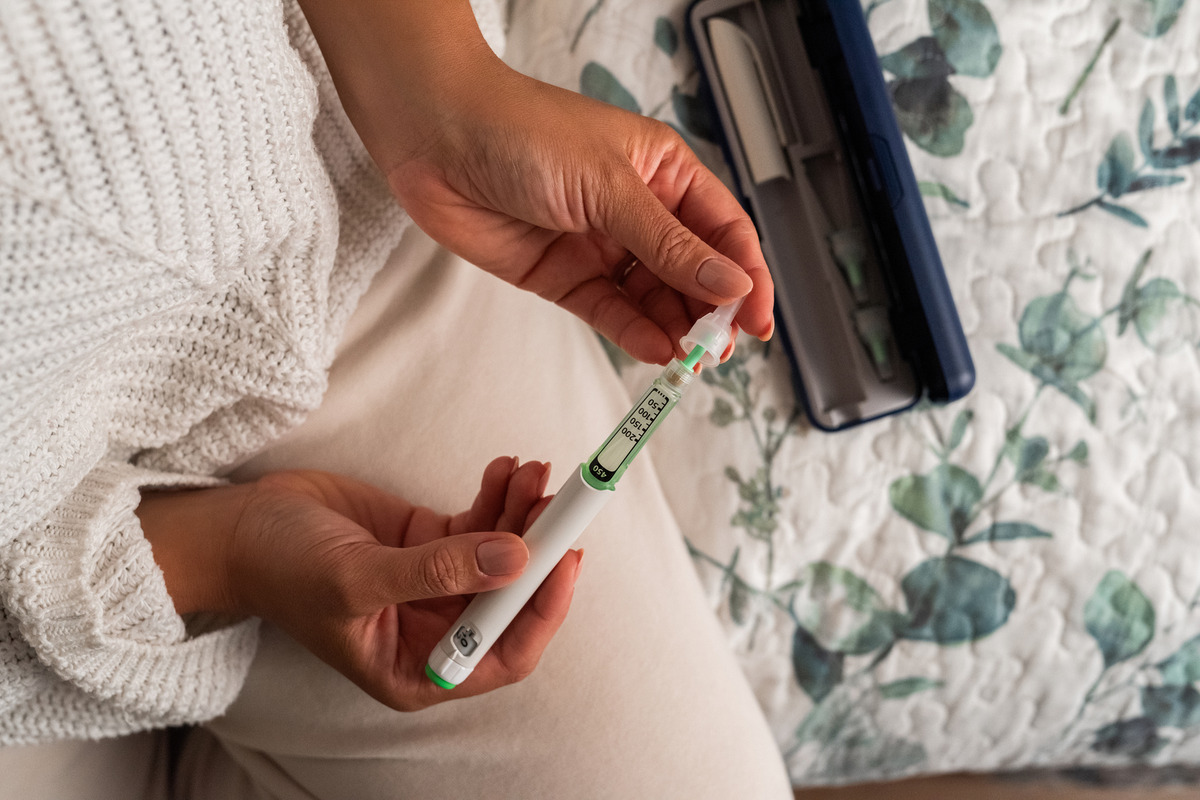
Furthermore, the delivery methods of both medications are quite different. Zepbound® is only available as a weekly injection. Wegovy® offers more flexibility, offering both injectable and daily oral pill options. And if your weight loss stalls on a standard injectable 2.4 mg dose, Wegovy HD®—a 7.2 mg injectable version the FDA approved in March 2026—achieved higher average weight loss than the original formulation in its clinical trial.
To help you weigh your options, this side-by-side breakdown highlights the key clinical and practical differences between the two medications:
What clinical trials reveal about Wegovy® and Zepbound®
In 2025, the New England Journal of Medicine published the results of the SURMOUNT-5 trial, the first randomized, head-to-head clinical comparison of tirzepatide and semaglutide for weight loss.
When analyzing the comparative data, the clinical benefits of Zepbound® over Wegovy® emerged across several key areas:
- Weight loss: People on Zepbound® lost an average of 20.2% of their body weight (roughly 50 pounds) compared to 13.7% (or about 33 pounds) on Wegovy®.
- Waist circumference: The Zepbound® group lost about seven inches around the waist, compared to about five inches for the Wegovy® group.
- Tolerability: Fewer people stopped taking Zepbound® due to digestive side effects (2.7% versus 5.6%).
- Cardiometabolic health: Both medications improved blood pressure, cholesterol, and blood sugar, but Zepbound® drove larger improvements.
However, evaluating Wegovy® versus Zepbound® weight loss outcomes requires looking at reality rather than just averages. In clinical settings, some Wegovy® users lost over 25% of their body weight, while some on Zepbound® lost under 10%. Furthermore, a separate trial showed that patients who stepped up to the high-dose Wegovy HD® injection achieved a 20.7% average weight loss. These variations prove that personal results depend on starting weight, health conditions, and dosing.
Zepbound® vs. Wegovy®: Side effects of both
Because both medications slow digestion, they share similar side effects:
- Nausea: This is the most common side effect for both medications. It typically peaks during the initial weeks or following a dose increase because the drug slows down stomach emptying.
- Vomiting: Slower gastric emptying means eating too much or too quickly can overwhelm your digestive tract and trigger vomiting.
- Diarrhea and constipation: Shifting bowel habits occur as the medication changes how fast food moves through your intestines, and you may experience alternating bouts of both.
- Stomach pain or cramping: Food sitting in your stomach longer can cause abdominal discomfort, especially after larger meals.
- Heartburn or indigestion: Slower digestion allows stomach acid to build up and travel up the esophagus, particularly when lying down after meals.
- Hair loss: Researchers believe rapid weight loss—rather than the medication itself—causes this temporary condition. If you experience thinning, you can explore targeted management strategies in Maven Clinic’s guide to GLP-1 medications and hair loss.
- Muscle loss: Around 25% of weight lost on these medications comes from muscle rather than fat. Resistance training and dietary protein are important parts of any treatment plan to help preserve strength during weight loss.
Most people experience these side effects primarily when starting the medication or immediately after upping their dose. For the majority of patients, these symptoms naturally dissipate after the first few weeks as the body adjusts.
What else can each medication treat beyond weight loss?
Zepbound® and Wegovy® have distinct, non-overlapping FDA-approved uses beyond weight loss. Here’s a breakdown of each.
Wegovy’s® additional FDA approvals
- Cardiovascular risk reduction: Approved to lower the risk of heart attack, stroke, and cardiovascular death in adults with a heart disease and a BMI of 27 or higher
- Fatty liver disease (MASH): Approved to treat a serious form of fatty liver disease that causes liver inflammation and scarring. Clinicians only prescribe it if the damage has not progressed to full liver failure (cirrhosis).
- Adolescent care: Approved for long-term weight management in patients aged 12 and older with obesity
Zepbound’s® additional FDA approvals
- Obstructive sleep apnea (OSA): First FDA-approved medication to treat adults with obesity and moderate-to-severe obstructive sleep apnea, a condition where breathing repeatedly stops during sleep
What should women specifically consider when choosing between the two?
Both Zepbound® and Wegovy® are highly effective for weight management, but female physiology can influence how you respond to either medication. In clinical trials, female participants actually lost around 6% more weight than males on both drugs. Researchers attribute this partly to the fact that estrogen naturally amplifies the brain’s fullness signals, and partly to a higher concentration of active GLP-1 receptors in the systems that control appetite. That said, women also have slower baseline digestion, so they frequently experience higher rates of gastrointestinal side effects like nausea than male patients.
Beyond response rates, there are a few considerations specific to female physiology worth discussing with your clinician before you start:
- Birth control: Tirzepatide delays stomach emptying, which can affect how your body absorbs oral medications, including contraceptives. The FDA recommends switching to a non-oral birth control (like a ring, implant, or IUD) or using a barrier method for four weeks after starting the medication and after each dose increase.
- Hormone replacement therapy (HRT): The same slower emptying can make oral HRT tablets for menopause less effective. If you want to maximize your treatment, exploring how HRT interacts with weight loss can help you coordinate your dosing schedule with your care team.
- Pregnancy and breastfeeding: Researchers haven’t studied either drug enough to establish safety during pregnancy or breastfeeding. If you’re planning to conceive, the FDA and Maven Clinic recommend stopping GLP-1 treatment at least two months beforehand to allow the medication to fully clear your system.
These two medications also differ in ways that may affect your decision:
- Overall GI side effects: A 2025 meta-analysis found that Zepbound® carries a higher overall rate of gastrointestinal side effects than Wegovy®. However, Zepbound’s® dual GLP-1/GIP mechanism may reduce the intensity of individual symptoms—particularly nausea—compared to GLP-1 agonists alone, which may make it more tolerable for some.
- Gallbladder risk: The same meta-analysis found that Wegovy® significantly increases the risk of gallbladder disorders, including gallstones, by over 2.5 times compared to controls. Zepbound® showed no significant gallbladder risk. If you have a history of gallbladder issues, this is worth discussing with your clinician.
- Polyendocrine metabolic ovarian syndrome (PMOS; formerly PCOS): The FDA hasn’t approved either medication specifically for PMOS, but clinicians increasingly prescribe both off-label to help manage insulin resistance—a key driver of the hormonal imbalances that cause many PMOS symptoms. Zepbound’s® dual mechanism may offer a stronger effect on insulin resistance, making it a relevant option if PMOS is part of your health picture.
Zepbound® vs Wegovy®: Cost and insurance coverage comparison
Both medications carry a list price above $1,000 a month, but their manufacturers offer self-pay programs that don’t require insurance:
First, check whether your commercial health insurance plan covers GLP-1 medications for weight loss. If it does, a manufacturer savings card can bring your co-pay down to as little as $25 a month.
Even if your plan has extra guidelines for weight-management coverage, your care team can help you navigate the system. To unlock those savings, your doctor will need to complete a prior authorization process by submitting your BMI and health history to your insurance. Your clinician’s office can check whether your plan covers either Zepbound® or Wegovy® and help you find the most accessible path.
Finding the right GLP-1 RA fit with Maven Clinic
The right weight loss medication is one that matches your specific body, your complete health history, and your personal goals.
Maven clinic’s GLP-1 Care for Women program tailors your treatment to your unique health history, life stage, and long-term goals. The program pairs clinical oversight with targeted nutrition and strength coaching to help you build lasting habits. Members also get direct access to specialists across more than 30 women’s health fields to ensure comprehensive support at every step.
Today, 37% of women on GLP-1 or hormone medications feel their providers offer limited or non-existent follow-up care. Maven Clinic closes that gap. Join the waitlist here to schedule a consultation and find the right GLP-1 treatment for you.

"There's so much noise online, and I wanted someone I could actually trust. With Maven, I understood my options, why I was taking what I was taking, and what to expect before I ever started. It felt clear from day one."

"My clinician covered things I hadn't thought to ask, like how GLP-1s can affect birth control. I felt like I was making an informed decision instead of just following a trend."

"I tried a GLP-1 through another service first. Got the prescription, got nothing else. I'm in my late 40s, my body was changing, and I was asking AI my follow-up questions. Maven was the first time I had a clinician who knew what was going on with me and helped me feel like me again."
FAQ
Is Zepbound® better than Wegovy® for weight loss?
In the only head-to-head trial to date, Zepbound® did produce greater average weight loss: 20.2% of body weight over 72 weeks, compared to 13.7% for Wegovy® at the standard 2.4 mg dose. However, some Wegovy® users lost more than 25%, and some on Zepbound® lost less than 10%. Which one works best for you depends on your health history, your goals, and how your body responds.
Can you switch from Wegovy® to Zepbound® (or vice versa)?
Yes. Your clinician may recommend switching if your current medication isn’t producing the weight-loss results you expected, or if side effects aren’t easing over time. When making the switch, you’ll typically start a low dose of the new medication and work your way up again, which helps your body adjust and keeps side effects manageable.
Do Wegovy® or Zepbound® have worse side effects?
Both medications cause similar digestive side effects (nausea, diarrhea, constipation, and vomiting). These side effects usually peak as you raise your dose, but they tend to ease over time as your body adapts. In the SURMOUNT-5 trial, slightly fewer people stopped taking Zepbound® due to stomach distress compared to Wegovy®(2.7% versus 5.6%). Your clinician can help you monitor your progress and adjust your dose to keep you comfortable.