Key Takeaways
- GLP-1 medications don't directly cause hair loss. Losing weight quickly is what stresses the body and causes hair to shed for a while.
- Hair shedding usually starts a few months after starting treatment. It's temporary and usually grows back within about six months.
- Eating enough protein and getting the right nutrients can help protect your hair. Extra biotin only helps if you're actually low on it.
You started a GLP-1 medication, and now you’re noticing more hair in the shower drain. Maybe you’re seeing it all over your pillow, or your ponytail feels a little thinner.
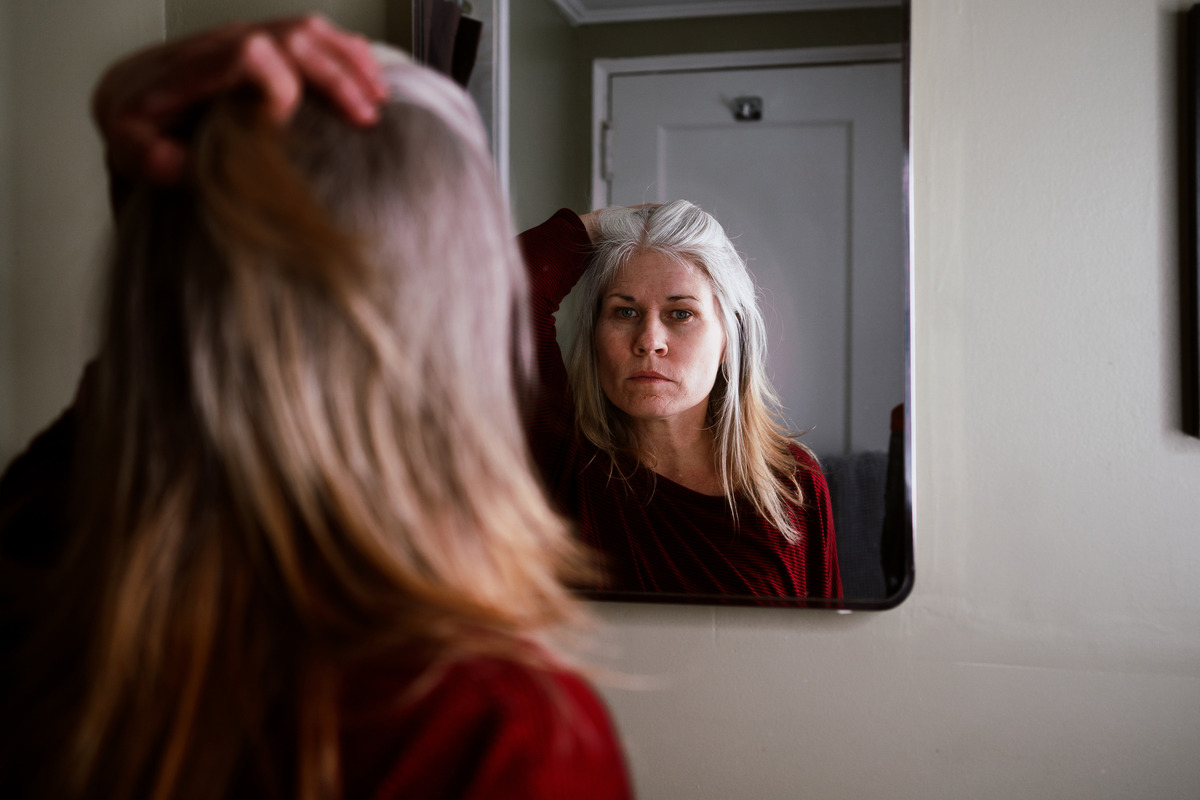
Among the GLP-1 side effects, hair loss can be one of the most unsettling. When your hair doesn’t look the same as it once did, your confidence takes a hit. The good news is that in most cases, hair loss from GLP-1s is temporary. In this guide, we’ll explore why it happens and how to support your body through the change.
Why your body deprioritizes hair growth during weight loss
Of all the tissues in your body, hair follicles are some of the hungriest for energy. When calories and nutrients drop significantly, your body makes the decision to direct those limited resources toward the systems you can’t function without. Since hair growth isn’t essential to your survival, it moves down the list.
In your midlife years, your body’s approach to hair growth changes yet again. Estrogen keeps hair follicles in their growth phase longer, encouraging hair to grow more before it rests and sheds. But as estrogen levels drop during perimenopause, that protection fades. Follicles become more sensitive to any kind of physiological stress, including significant nutrient restriction.
How rapid weight loss triggers temporary hair shedding
During normal circumstances, about 85% of your hair follicles are actively growing. The remaining 15% of follicles are resting. When your body encounters physical stress, the balance between growing and resting hair shifts. Nearly 70% of the hair that was actively growing begins to rest. When this happens, you don’t grow enough new hair to replace the follicles that fall out. This is called teflogen effluvium.
Rapid weight loss is one physical stressor that can cause this effect. Studies support this—Wegovy’s clinical trial mentioned that participants who lost more than 20% of their body weight were roughly twice as likely to experience shedding. And another study from George Washington University found that people on GLP-1 medications had a higher risk of experiencing hair loss.
The shedding typically starts one to six months after beginning a GLP-1 treatment or increasing your dose. But the good news is the hair follicles themselves stay intact, so regrowth starts once your body adjusts to the dosage change.
Simple habits to support hair health on your medication journey
To prevent hair shedding, try incorporating these simple habits into your daily routine.
Eat enough protein
The most effective thing you can do for your hair is up your protein intake. Your hair uses a structural protein called keratin to grow. To make it, your body relies on amino acids from the foods you eat.
Most adults need at least 0.8 grams of protein per kilogram of body weight per day, but those experiencing hair shedding may benefit from 1.0–1.3 grams per kilogram. Practically, that means someone who weighs around 150 pounds should aim to eat 70–90 grams of protein per day. Try to include a source of protein at every meal, whether it’s lean meat or eggs to distribute your intake more evenly throughout the day.
Include the right nutrients
Nutrients like iron, Zinc, and vitamin D are closely linked to reducing hair shedding. Ask your provider to check these levels before reaching for a GLP-1 hair loss supplement.
Some people also opt to include biotin supplements into their health regime in the hopes it’ll support hair growth. Despite the popularity, it doesn’t have proven benefits unless you have an actual deficiency.
Cut down on heat and chemical processes
Excessive heat styling and chemical processing dry out your hair, making hair loss even more noticeable. Avoid bleaching and relaxing products while your hair grows to protect your vulnerable strands from unnecessary damage.
More sleep, less stress
A poor sleep schedule and chronic stress both elevate cortisol levels, which can cause hair loss from GLP-1s to worsen. Getting at least seven to nine hours of quality sleep at night and cutting down on exposure to stressful situations can help support healthier hair growth.
Knowing when your hair will start to grow back
For most people, the shedding slows on its own. Once your weight stabilizes and your nutrition improves, your follicles return to their normal cycle with regrowth typically starting within six months.
If hair loss continues beyond that window, or if it’s accompanied by fatigue and changes in your menstrual cycle, check in with your provider. They can run labs to rule out other underlying causes like iron deficiency or a hormonal imbalance and discuss GLP-1 hair loss treatment options.
Navigating your health goals with Maven Clinic
Hair changes are one piece of a bigger puzzle. When you're on GLP-1s, your body is going through a significant transition, and having the right support makes all the difference.Maven Clinic connects you with specialists in women's metabolic health. They help you keep your nutrition on track, adjust your care plan as your body changes, and address concerns like hair thinning.Reach out to our team to learn more about Maven Clinic's GLP-1 Care program.

"I tried a GLP-1 through another service first. Got the prescription, got nothing else. I'm in my late 40s, my body was changing, and I was asking AI my follow-up questions. Maven was the first time I had a clinician who knew what was going on with me and helped me feel like me again."

"My clinician covered things I hadn't thought to ask, like how GLP-1s can affect birth control. I felt like I was making an informed decision instead of just following a trend."

"There's so much noise online, and I wanted someone I could actually trust. With Maven, I understood my options, why I was taking what I was taking, and what to expect before I ever started. It felt clear from day one."
FAQ
Do GLP-1 medications directly cause hair loss?
According to a JAAD International study of over 500,000 patients, GLP-1s don’t significantly impact hair loss. But changes brought on by GLP-1 medication use, like weight loss and insulin signals, might impact hair loss.
How can I tell if my hair loss is temporary or permanent?
Hair shedding from GLP-1 typically happens one to six months after a person starts the medication or increases their dose. Rather than appearing as large bald patches, thinning happens across the scalp. But once your weight stabilizes, your hair will likely start regrowing within six to 12 months.
How do I prevent hair loss on GLP-1s?
Try to lose no more than a couple of pounds per week, and focus on your nutrition. Limiting the stress on your body can slow hair loss. If that doesn’t work, though, ask a dermatologist about over-the-counter minoxidil or prescription options to support the follicles.
.jpg)




.jpg)