
Key Takeaways
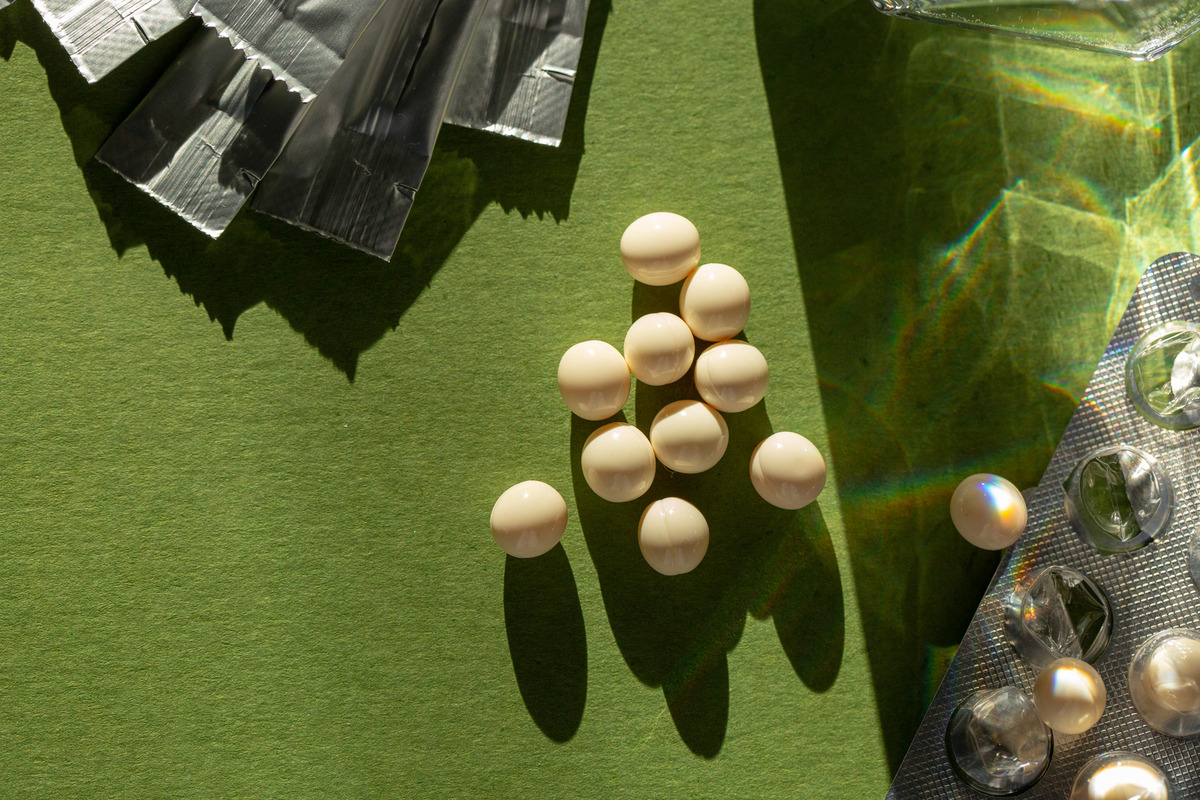
- Osphena is an oral pill that mimics estrogen selectively in vaginal tissue. Vaginal estrogen delivers the hormone directly to the area with minimal systemic absorption.
- Vaginal estrogen is typically the first prescription step when over-the-counter options fall short. Osphena suits women who prefer a pill over vaginal administration.
- These two treatments should not be used together, as combining them has not been adequately studied for safety.
- Warnings and contraindications vary significantly by product and dose. Low-dose vaginal estrogen carries fewer restrictions than Osphena or high-dose systemic options.
During menopause, your estrogen levels naturally decline over time. Estrogen deficiency can affect multiple parts of your body, including vaginal and urinary tissues. Symptoms like recurrent urinary tract infections (UTIs), urinary urgency, and vaginal atrophy fall under genitourinary syndrome of menopause (GSM).
Nonprescription options like vaginal moisturizers and lubricants can sometimes help relieve mild-to-moderate vaginal dryness and pain during sex (dyspareunia). However, these nonhormonal options may not work for moderate-to-severe GSM.
To offer stronger relief, your doctor may consider Osphena® or vaginal estrogen. Read on as we compare both prescription medications across their mechanisms, safety, and efficacy to find the right treatment for you.
Understanding Osphena® and vaginal estrogen
Osphena® and vaginal estrogen both target the physical changes associated with estrogen decline, like vaginal dryness and urinary urgency. However, they work through different mechanisms.
What’s Osphena®?
Osphena® is the brand name for ospemifene, a medication belonging to a class called selective estrogen receptor modulators (SERMs). Taken orally, SERMs travel throughout your body via your bloodstream, which is why Osphena® is considered a systemic medication.
However, when a SERM reaches specific tissues—most notably vaginal and vulvar tissues—it activates estrogen receptors. This produces estrogen-like effects in that area, helping rebuild tissue thickness and restore natural moisture. In other parts of the body like breast or uterine tissue, a SERM can actually limit or block estrogen signaling. This selective behavior helps protect those tissues from the unwanted stimulation that full-body estrogen therapy might cause.
The FDA approves Osphena® for two specific indications that are common during menopause: moderate-to-severe dyspareunia and moderate-to-severe vaginal dryness. However, doctors may sometimes prescribe Osphena® off-label (outside its approved indications) for broader GSM relief.
What’s vaginal estrogen?
Vaginal estrogen is a form of hormone replacement therapy (HRT) that works by directly supplementing declining estrogen in the affected tissues. When estrogen levels drop, the vaginal walls, vulva, and surrounding urinary tissues become thin and fragile. By restoring estrogen in these tissues, vaginal estrogen helps reverse GSM. It feeds the estrogen receptors in those cells, causing them to thicken, regain elasticity, and produce natural moisture again.
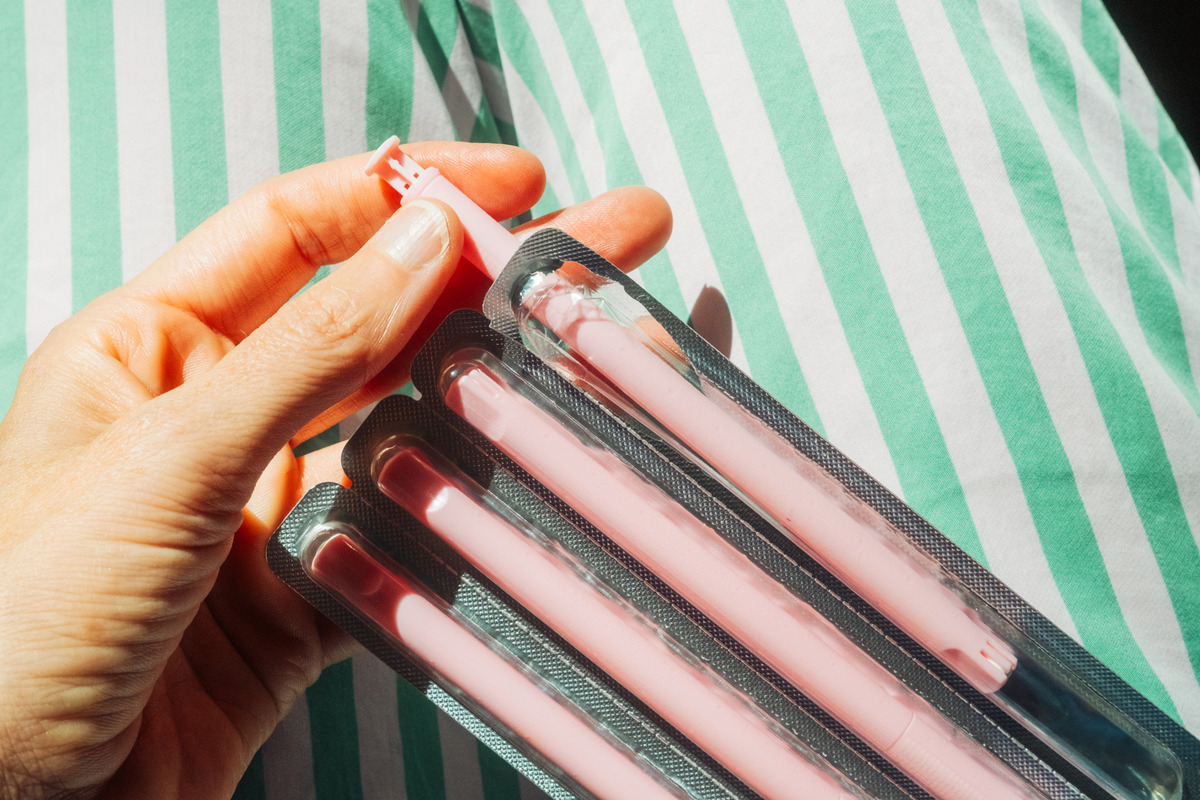
Modern vaginal estrogen products like creams and rings are low-dose by design. Because you apply the medication directly to the target area, the majority of the estrogen stays local to the tissues rather than flooding the rest of the body. This allows for targeted relief for GSM without the widespread side effects of systemic HRT.
While indications can vary depending on the specific product, the FDA approves all prescription vaginal estrogen to treat moderate-to-severe GSM. You may recognize a few common brands like Estrace®, Estring®, and Vagifem®.
Osphena® vs. vaginal estrogen: Key differences at a glance
Here’s a quick look at Osphena® and vaginal estrogen:
Osphena® vs. estradiol: Symptom relief
No head-to-head trial directly comparing these two medications exists, but robust clinical evidence backs both drugs.
How effective is vaginal estrogen?
One trial looked at the impact of low-dose estradiol cream in 550 postmenopausal women experiencing dyspareunia. Estradiol is the primary and most potent form of estrogen that naturally occurs in the human body. Many HRT products use estradiol because it’s identical to the hormone your body used to make on its own.
During this 12-week trial, researchers observed that low-dose estrogen cream physically restores the health and balance of vaginal tissues:
- Dyspareunia severity dropped by 1.5 points on a scale of 0 to 3 (compared to 1.2 on placebo).
- Vaginal dryness meaningfully improved compared to placebo.
- Vaginal pH meaningfully improved compared to placebo.
- Cellular rejuvenation (restoration) improved, with mature (superficial) cells increasing, while immature (parabasal) cells decreased.
How effective is Osphena®?
To understand how Osphena® works, researchers conducted a trial involving 826 postmenopausal women. They split participants across three groups: 30 mg dose of ospemifene, 60 mg dose of ospemifene, or a placebo.
The study measured changes in the percentage of mature and immature cells, vaginal pH, and severity of bothersome symptoms (vaginal dryness or dyspareunia). Here’s what they found:
- The 60 mg dose outperformed the placebo group across all areas.
- The 30 mg dose improved in most areas but fell short on relieving dyspareunia.
Side effects and risk considerations
While both Osphena® and vaginal estrogen are effective GSM treatment options, they come with different side effects, safety warnings, and contraindications.
Common side effects
Patients generally tolerate both medications well, but they do carry distinct side effect profiles:
Contraindications
A contraindication is a circumstance or condition that makes a treatment unsafe for you. Like with boxed warnings, contraindications vary across vaginal estrogen products. Here’s how they differ across two common brands—one low-dose (local) and the other high-dose (systemic)—compared to Osphena®:
*Osphena® hasn’t been adequately studied in people with breast cancer. Individuals with known or suspected breast cancer shouldn’t use it.
When reviewing these charts, keep in mind that “no” doesn’t automatically equal safety. For example, pregnancy isn’t formally listed as one of Estring’s® contraindications, but that doesn’t mean it’s recommended. Because local estrogen is generally used for menopause symptom treatment, pregnancy isn’t a consideration. Have an open conversation with your doctor so they can identify the risks that apply to you.
Boxed warnings
A boxed warning (or black box warning) is the FDA’s strongest safety alert. It’s reserved for the most serious risks:
- Osphena® carries two boxed warnings: endometrial cancer and cardiovascular risks, including stroke and deep vein thrombosis (DVT).
- Vaginal estrogen boxed warnings vary significantly by product dose. Low-dose (local) products don’t carry warnings, while high-dose (systemic) products carry the same boxed warning as oral HRT: endometrial cancer. This is due to higher estrogen exposure, which can cause overthickening of the uterus.
That’s not cause for alarm, though—for either Osphena® or vaginal estrogen. A study on safety of ospemifene showed zero cases of endometrial cancer and less than 1% of precancerous thickening (endometrial hyperplasia). The same study showed cardiovascular side effects like DVT occurred in 0.3% of women compared to 0.1% in the placebo group. A study on vaginal estrogen safety found endometrial hyperplasia in 0.4% of the women studied, which researchers noted was in line with normal rates for the postmenopausal population.
Before prescribing, your care team will screen for relevant risks. As you progress through treatment, they’ll continue to monitor for any warning signs.
When to use Osphena® vs. vaginal estrogen
Choosing between Osphena® and vaginal estrogen is a decision to make with your doctor. The right option for you depends on a few key factors:
- Symptom profile: The FDA approves Osphena® and vaginal estrogen products for different purposes. Which one fits depends on what you’re experiencing.
- Medical history: Your personal health background (including contraindications and side effects) may rule out one treatment option but not the other.
- Delivery preference: Osphena® is a daily oral tablet, while vaginal estrogen comes in many forms (creams, rings, and inserts). If you have a delivery preference, discuss it with your doctor.
Vaginal estrogen is typically the first-line prescription option for GSM treatment when nonhormonal moisturizers and lubricants don’t relieve symptoms. Because you apply it directly to the area, it treats local symptoms efficiently while minimizing systemic exposure.
Osphena® may be a better fit for postmenopausal women experiencing painful intercourse who prefer a pill over a vaginal administration.
Can you use Osphena® and vaginal estrogen together?
Generally, you shouldn’t take Osphena® and estrogen-based products together. Both Osphena® and vaginal estrogen affect estrogen-sensitive vaginal tissues. Because combining them hasn’t been thoroughly studied, your doctor must review any product overlap to ensure safety.
Rather than combining these medications, doctors typically recommend switching from one option to the other if treatment isn’t working. Your care team will help you safely phase out one medication before starting the other.
Find the right treatment option for you with Maven Clinic
If you’re considering Osphena® or vaginal estrogen for menopause symptom relief, talk to a doctor before making your choice. At Maven Clinic, our team of women’s care specialists take a whole-body approach to menopause care. They’ll find the right path for your body and help you navigate each step that follows.
Like our patient, Alison, expressed: "Navigating perimenopause has been difficult. I was having symptoms, but my physical and labs came back normal. After speaking with a Maven provider, I felt like someone understood what I was going through and that I wasn't crazy!”
Discover our approach to hormone care.

"The holistic view and approach for managing perimenopause and menopause has been life-changing! Nearing 50, I am in the best physical shape with support from the physical support and nutrition coaches."

"Navigating perimenopause has been difficult. I was having symptoms, but my physical and labs came back normal. After speaking with a Maven provider, I felt like someone understood what I was going through and that I wasn't crazy!"

"I started using Maven because I was looking for answers and support during perimenopause. What stood out immediately was how understood I felt. The providers didn't dismiss my symptoms, they helped me make sense of the changes happening in my body and gave me practical, personalized support."
.jpg)