

Key Takeaways
- Both Estring and Vagifem deliver estradiol directly to vaginal tissue, meaning very little enters the bloodstream. This makes them significantly safer than oral estrogen for women with concerns about systemic hormone exposure.
- A 12-month head-to-head study found both products relieve vaginal and urinary symptoms equally well. The choice between them comes down to personal preference and practical factors, not clinical superiority.
- Estring stays in place for 90 days, while Vagifem requires twice-weekly insertion. Neither approach is objectively better, but the right routine depends on what you will actually stick with consistently.
- Vaginal estrogen treats local symptoms like dryness, painful sex, and urinary issues, but it does not address hot flashes or night sweats. Women with both types of symptoms may need systemic HRT alongside it.
Vaginal dryness, pain during sex, and recurring urinary tract infections are the menopause symptoms women might find hardest to talk about, even with their doctors. And they’re also the ones that don’t ease with time.
Without treatment, vaginal tissue keeps thinning, moisture falls further, and infections can become more frequent. Thankfully, these symptoms respond well to treatment. Two safe and widely prescribed options are Estring® and Vagifem®. These products both bring estradiol directly into the vaginal tissue, but they come in different forms.
This guide breaks down Estring® versus Vagifem® so you can discuss them next time you meet with your provider.
Estring® vs. Vagifem®: What's the difference?
To understand the difference between Estring® and Vagifem®, you need to know what estradiol is. Estradiol is the most potent form of estrogen your ovaries produce. Before the menopause transition, this hormone keeps your vaginal tissue thick, elastic, and well-lubricated. But estrogen levels start dropping around menopause, leading to vaginal dryness, irritation, and urinary problems.
Both Estring® and Vagifem® deliver small doses of estradiol directly to the vaginal tissue to ease these symptoms. The main difference between the two is their form and schedule:
- Estring® is a flexible ring placed in the upper part of your vagina. It releases 7.5 mcg of estradiol daily for 90 days.
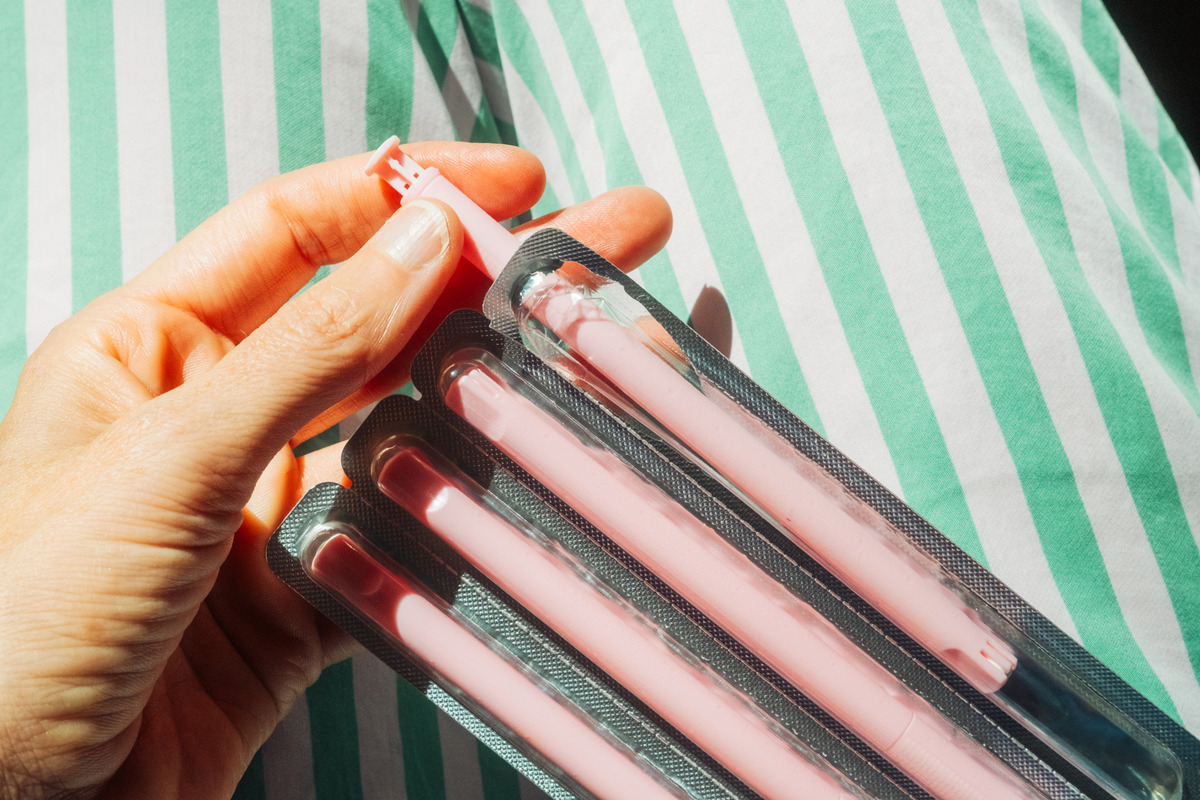
- Vagifem® is a 6 mm tablet that you insert with a single-use applicator. Each insert delivers 10 mcg of estradiol and dissolves over several hours.
Here’s a closer look into each drug:
How do Estring® and Vagifem® work?
Estradiol binds to estrogen receptors in vaginal cells and triggers a chain of changes. The vaginal lining starts rebuilding toward its previous, premenopausal thickness. The new cells mature and produce glycogen, a sugar that feeds lactobacillus, a healthy bacteria. Lactobacillus converts glycogen into lactic acid, and this acid environment protects from infections and urinary tract problems.
Estradiol also prompts the cells that line blood vessels in vaginal tissue to release nitric oxide, a molecule that relaxes and widens vessel walls. As the vessels open, more blood reaches the tissue, which, over time, restores natural and elasticity to the area.
Estring® and Vagifem® set off this process releasing the hormone through different devices. Estring® stores 2 mg of estradiol in a silicone core that lets it pass slowly and steadily, about 7.5 mcg per day, through the ring wall. Vagifem®’s film coat dissolves when it contacts vaginal moisture and releases its 10 mcg dose over several hours. The ring supplies continuous, low-level exposure; the insert offers a small pulse twice a week during maintenance.
In a 12-month head-to-head study, both approaches restored vaginal tissue and relieved vaginal and urinary symptoms just as well. That means the choice between them is mostly up to your personal preference.
What are the safety considerations and side effects?
When you take an estrogen pill, the hormone passes through the liver before reaching the rest of your body. This tells the liver to produce more clotting proteins, which increases the risk of blood clots. But unlike oral estrogen, Estring® and Vagifem® deliver estradiol straight into the vaginal tissue. Your body absorbs these hormones locally, so very little enters the bloodstream.
A study reported in Estring®’s prescribing labels confirms this: Women using Estring® had estradiol levels of about 7–8 pg/mL, within the standard range of postmenopausal women that don’t use any estrogen. Vagifem®’s study published in its label found similar results. The participant’s average estradiol level at 12 weeks was even lower, 5.5 pg/mL. For this reason, the North American Menopause Society (NAMS) considers low-dose vaginal estrogen safe.
Because very little of these products reaches the rest of your body, vaginal estrogen side effects tend to be mild and limited to the area where they’re applied. Here are the side effects of each drug, according to their respective labels:
- Yeast infection (Estring®, 6%; Vagifem®, 8%): Estradiol’s effect on pH can temporarily favor yeast overgrowth. Talk to your provider if you notice itching, a thick white discharge, or burning that doesn’t clear up within a few days.
- Vaginal itching (Estring®, 5%; Vagifem®, 8%): You can expect mild itching at the beginning of treatment as thinned tissue begins to heal. Persistent or worsening itching requires evaluation.
- Vaginal discharge (Estring®, 7%; Vagifem® below the reporting threshold): Estradiol restores the moisture your vaginal tissue produced before menopause, so some discharge is a sign that the treatment is working. Contact your provider if the discharge has a strong odor or comes with irritation because that might signal an infection.
- Vaginal discomfort (Estring®, 5%; Vagifem®, small scrapes from the applicator reported): You might feel Estring®’s ring after it’s first inserted. It usually disappears with time and as the ring goes deeper. On the other hand, Vagifem®’s applicator can cause small scrapes, particularly when vaginal tissue is severely thinned. Persistent pain, sores, or bleeding can point to a tissue injury worth evaluating.
- Spotting (Estring®, 4%; Vagifem® below reporting threshold): Some spotting is normal early on. But vaginal bleeding that continues beyond the first few weeks warrants clinical evaluation. Always get postmenopausal bleeding checked.
Before starting with either treatment, talk with your provider if you:
- Have unexplained vaginal bleeding
- Have a history of breast cancer or another estrogen-sensitive cancer; low-dose vaginal estrogen may be safe for breast cancer survivors, but NAMS recommends making that decision with your oncologist
- Have a history of blood clots, stroke, or heart attack
- Have active liver disease
- Have been diagnosed with a clotting disorder such as protein C, protein S, or antithrombin deficiency
Which treatment is right for your symptoms: Estring® or Vagifem®?
Estring® and Vagifem® both treat vaginal dryness and irritation, pain during sex, and the urinary problems that show up around menopause. A 12-month head-to-head study showed that both products relieve symptoms in the vaginal and urinary areas equally well, and either can be a good fit if those are your main concerns.
Practical factors might play more of a role your decision:
- Routine preference: Estring® stays in place for 90 days, while Vagifem® involves twice-weekly insertion.
- Cost and generic availability: Vagifem® has generic versions widely available at a lower price. Estring®’s out-of-pocket cost tends to be higher.
Keep in mind that vaginal estrogen doesn’t address other menopause symptoms. If hot flashes or night sweats are disrupting your life’s quality, it might be time to consider systemic hormone replacement therapy (HRT) for menopause.
Some people need both. If systemic hormone therapy helps your hot flashes but vaginal or urinary symptoms persist, your provider might add vaginal estrogen on top of systemic therapy. NAMS supports this combination.
Find the right vaginal estrogen treatment with Maven Clinic
Both Estring® and Vagifem® are safe and efficient treatments for the vaginal and urinary menopause symptoms. You might prefer one or the other depending on what fits your life better: a ring you replace every three months, or a lower-cost insert you use twice a week.
Maven’s Hormone Care program connects you with providers who specialize in midlife hormonal health. Together, you can choose the right treatment, monitor how it’s working, and adjust your care as your needs change. Learn more, and discover which treatment works best for you.

"The holistic view and approach for managing perimenopause and menopause has been life-changing! Nearing 50, I am in the best physical shape with support from the physical support and nutrition coaches."

"Navigating perimenopause has been difficult. I was having symptoms, but my physical and labs came back normal. After speaking with a Maven provider, I felt like someone understood what I was going through and that I wasn't crazy!"

"I started using Maven because I was looking for answers and support during perimenopause. What stood out immediately was how understood I felt. The providers didn't dismiss my symptoms, they helped me make sense of the changes happening in my body and gave me practical, personalized support."
.jpg)