
Key Takeaways
- Bioidentical doesn’t necessarily mean safer or more natural. Safety depends more on the formulation, FDA approval, and individual health factors
- FDA-approved bioidentical hormones can effectively relieve menopause symptoms, including hot flashes, night sweats, and vaginal symptoms
- Compounded bioidentical hormones carry more uncertainty because they don’t undergo the same FDA review for safety, effectiveness, and consistency
- Several FDA-approved HRT options are already bioidentical, including products containing estradiol and micronized progesterone.
If you’re considering hormone replacement therapy (HRT) for menopause symptoms, you’ve probably already encountered tons of complicated terms and medical jargon. That might include “bioidentical” hormones, which are sometimes used in HRT. This sounds complicated, but the good news is the definition is actually pretty straightforward. They just share the same chemical structure as the hormones your body makes on its own.
Let’s explore what the evidence shows about whether bioidentical hormones are safe and how they compare to other types.
What are bioidentical hormones?
Bioidentical hormones are lab-made hormones that have the same molecular makeup as the ones your body produces, like estrogen, progesterone, and testosterone. The term just describes the structure of the hormones. The actual quality and effectiveness can vary based on how they’re made and by what company.
The role of bioidentical hormones in HRT
Menopause unfolds in phases. Perimenopause is the stage leading up to it, typically beginning in your mid-40s (though it can start sooner). During this period, certain hormones fluctuate unpredictably—estrogen and progesterone in particular.
Menopause is a specific day. It arrives when you’ve gone 12 months without a menstrual cycle. Postmenopause is every day that follows, when estrogen and progesterone levels settle at a lower baseline. It’s these changes to the hormonal environment (both fluctuations and declines) that might make you experience common menopause symptoms.
For many people, HRT offers meaningful relief. It works by supplementing the hormones that fluctuate and decline during the menopause transition. Some HRT formulations use bioidentical hormones, such as estradiol (a form of estrogen). Others use non-bioidentical hormones, such as conjugated equine estrogens (CEE). Each has its pros and cons, and bioidentical hormones aren’t “better” or “more natural.”
Are bioidentical hormones safe? What the evidence indicates
Bioidentical hormones aren’t automatically safer or less safe than alternatives. The U.S. Food and Drug Administration (FDA) has approved certain HRT formulations with bioidentical hormones. But the agency has also approved formulations with non-bioidentical hormones.
If a formulation has undergone FDA approval, this means rigorous clinical trials have validated its safety and efficacy—bioidentical or not. But that doesn’t mean it’s totally risk-free. Multiple factors influence a drug’s risk, from treatment duration to individual health profiles. Each FDA-approved therapy carries known, well-established risks that doctors screen for and monitor.
For most healthy women who start HRT before age 60 or within 10 years of menopause, the benefits of treatment tend to outweigh the risks. That’s because this “window of opportunity” is when your body is most receptive to hormonal adjustments. Your doctor will look at your full health profile before prescribing, so you can make an informed decision together.
What are the long-term health risks of bioidentical hormones?
HRT can carry long-term risks, whether it contains bioidentical hormones or not. Your doctor won’t prescribe HRT if you have certain conditions that make it unsafe to use (called contraindications). These aren’t specific to a hormone’s bioidentical nature, but they instead reflect a range of risk factors tied to your individual health profile.
Contraindications differ across HRT types but include:
- Undiagnosed abnormal genital bleeding
- Certain cancers (like estrogen-dependent neoplasia)
- Blood clots blocking arteries (arterial thromboembolic disease)
- Liver disease (hepatic impairment or disease)
There are also other conditions where you can still take HRT but with some additional caution and monitoring. Before prescribing, your doctor should identify any risks that apply to you.
Are "natural" and "bioidentical" hormones the same?
Natural and bioidentical hormones aren’t the same, but they’re easy to mix up. “Bioidentical” describes a hormone's structure, one that matches your body’s own. “Natural” usually points to where ingredients come from, typically used for marketing purposes. “Bioidentical” can be used as a marketing tool, too.
Just because a therapy is marketed as bioidentical or natural doesn’t mean it's automatically effective or safe. What matters is a therapy’s FDA approval status and your doctor’s oversight.
Bioidentical hormones for menopause symptom relief
Approximately 80% of menopausal women experience vasomotor symptoms (VMS), including hot flashes and night sweats. These experiences can take a toll on your body and mind. According to the 2014 REPLENISH trial, bioidentical hormones can help. REPLENISH is a phase 3 randomized, placebo-controlled trial involving 1,800 postmenopausal women.
Researchers assigned some participants 17β-estradiol (a form of estrogen) with micronized progesterone, both bioidentical hormones. These participants received one of four dosages. Others received a placebo. At week 12, here’s what the group at the highest dosage (1 mg / 100 mg) experienced:
- 50% decrease in VMS frequency: Approximately 80% (versus 58% on placebo)
- 75% decrease in VMS frequency: 68% (versus 32% on placebo)
- No severe VMS at all: 56% (versus 26% on placebo)
Relieving VMS can also carry downstream benefits. Night sweats often stand between menopausal women and a good night’s rest. Relieve night sweats, and improved sleep quality follows.
Bioidentical hormones can provide relief in other areas, too. For example, the Menopause Society refers to HRT (bioidentical formulations included) as the most effective intervention for treating genitourinary syndrome of menopause (GSM). This includes experiences like vaginal dryness, painful sex (dyspareunia), and urinary urgency.
Compounded vs. FDA-approved bioidentical hormones
Compounded bioidentical hormones are custom-mixed formulations. Compounding pharmacies typically produce them to match your body’s exact needs. But unlike other bioidentical medications, these therapies aren’t FDA-approved. This means they don’t undergo the same safety and efficacy reviews. Active ingredients, dosages, and formulations may vary compared to approved counterparts.
The American College of Obstetricians and Gynecologists (ACOG) recommends FDA-approved HRT over compounded alternatives. And the broader medical community agrees. The Endocrine Society, for example, notes that there is little to no evidence supporting claims that compounded formulations are safer or more effective than FDA-approved options.
Understanding FDA-approved bioidentical hormones
Here’s a look into what certain medications, each containing bioidentical formulations, are approved to treat. Note that these lists aren’t exhaustive. They only include menopause-related indications.
Estrace
Estrace comes in two forms: an oral tablet and vaginal cream. For both, the active ingredient is estradiol, approved to treat:
- Moderate-to-severe vasomotor symptoms
- Moderate-to-severe symptoms of vulvar and vaginal atrophy
- Prevention of postmenopausal osteoporosis
Vagifem
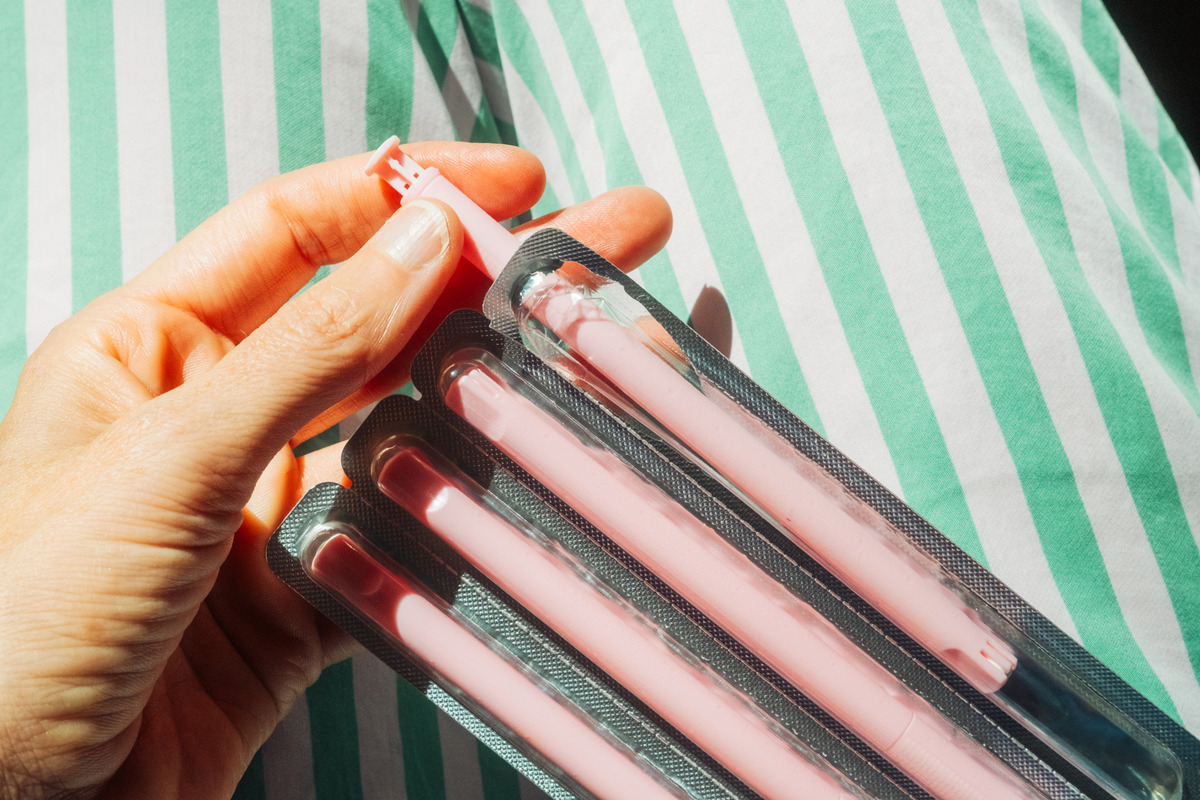
Vagifem is a form of local HRT (a vaginal insert), meaning it delivers hormones directly to vaginal tissues. Estradiol is its active ingredient and is approved to treat atrophic vaginitis due to menopause.
Prometrium
Prometrium is an oral capsule. Its active ingredient is micronized progesterone, a bioidentical form of progesterone. This helps prevent endometrial hyperplasia in postmenopausal women who haven’t had a hysterectomy. It can also calm the nervous system by activating GABA receptors, helping people sleep.
Vivelle-Dot
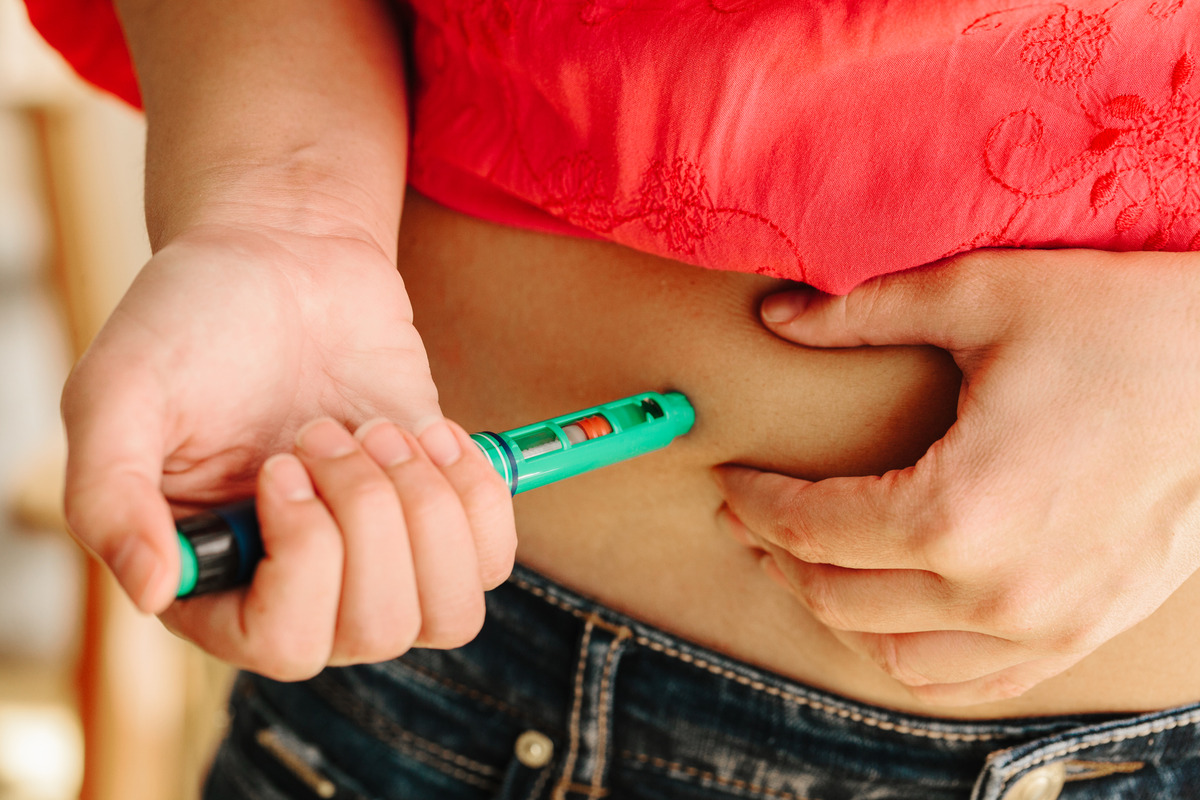
Vivelle-Dot is a transdermal patch, meaning you apply it to the skin—typically the lower abdomen or upper glutes. Estradiol is its active ingredient. It's approved to treat:
- Moderate-to-severe vasomotor symptoms
- Moderate-to-severe symptoms of vulvar and vaginal atrophy
- Prevention of postmenopausal osteoporosis
Bijuva
Bijuva is an oral capsule. It has two active ingredients: estradiol and micronized progesterone. Both bioidentical hormones treat moderate-to-severe vasomotor symptoms while protecting the uterine lining.
EstroGel
EstroGel is a transdermal estradiol gel, typically applied on the arm. It's approved to treat:
- Moderate-to-severe vasomotor symptoms
- Moderate-to-severe symptoms of vulvar and vaginal atrophy
Navigating HRT with Maven Clinic
Your menopause journey is unique, so your care plan needs to evolve with you. At Maven Clinic, our specialists remain by your side for every decision and step of the way. Access a care team of over 30 disciplines—from OB-GYNs to sleep coaches—and build a treatment plan around how your body actually works.
That’s why millions of women trust us. Discover our approach to hormone care.

"The holistic view and approach for managing perimenopause and menopause has been life-changing! Nearing 50, I am in the best physical shape with support from the physical support and nutrition coaches."

"Navigating perimenopause has been difficult. I was having symptoms, but my physical and labs came back normal. After speaking with a Maven provider, I felt like someone understood what I was going through and that I wasn't crazy!"

"I started using Maven because I was looking for answers and support during perimenopause. What stood out immediately was how understood I felt. The providers didn't dismiss my symptoms, they helped me make sense of the changes happening in my body and gave me practical, personalized support."