

Key Takeaways
- Qsymia® and Zepbound® both promote weight loss, but through different mechanisms. Qsymia® acts on brain appetite signals via phentermine and topiramate; Zepbound® mimics gut hormones GLP-1 and GIP.
- Zepbound® produces greater weight loss in separate trials, though the two haven't been compared head-to-head. Zepbound® achieved 15–21%, versus roughly 10% for Qsymia®.
- Cost, coverage, and health history often shape the decision as much as efficacy. Qsymia® is significantly cheaper and has a generic option, while Zepbound® may be covered more easily when prescribed for sleep apnea.
Choosing a weight-loss medication can be difficult and confusing. There are many options on the market, and it’s hard to tell which drugs are effective and which ones are all marketing hype. That’s why we’ve broken down the science behind two popular options, Qsymia® and Zepbound®. Each drug affects how much weight you can expect to lose, the risks and side effects to consider, and what you’ll pay.
Let’s compare Qsymia® versus Zepbound® across each of these factors so you can weigh your options and ask what matters to your provider.
How do Qsymia® and Zepbound® work?
Qsymia® and Zepbound® both lead to weight loss, but they work through different systems in your body.
So, what is Qsymia®? The Qsymia® generic name is phentermine and topiramate. This combination of a stimulant and a seizure treatment acts on your brain’s appetite signals. Phentermine raises norepinephrine, the brain chemical that triggers your body’s “fight-or-flight” response. When your body enters a state of alertness, eating goes down in its list of priorities.
Topiramate’s role is less direct, and the exact way it aids weight loss is not fully understood. Here’s what we know: Topiramate quiets overactive brain signaling by strengthening GABA, a calming chemical, and blocking some of the effects of glutamate, an activating one. Researchers think this eases appetite and helps you feel full sooner. Topiramate can also cause food and drinks to taste flat or metallic.
Zepbound®’s active ingredient, tirzepatide, mimics two hormones your body releases after you eat: glucagon-like peptide-1 (GLP-1) and glucose-dependent insulinotropic polypeptide (GIP). GLP-1 slows stomach emptying, signals fullness to your brain, and helps regulate blood sugar. GIP helps fat cells store and use energy more efficiently. Together, these two hormones curb hunger and cravings and help your body burn more energy, which is what drives weight loss.
Here’s how Qsymia® and Zepbound® compare at a glance:
Qsymia® vs. Zepbound® for weight loss: Treatment and results
In separate trials, participants on Zepbound® lost more weight than those on Qsymia®. During the SURMOUNT-1 trial, those on Zepbound® for 72 weeks lost between 12–21%, depending on the dose. SURMOUNT-4 found that people kept off about 10% of their initial body weight after stopping Zepbound® treatment.
The CONQUER trial tested Qsymia® over 56 weeks. At its top dose, the medicine helped people lose about 10% of their body weight. A two-year extension called SEQUEL followed some of the same people to 108 weeks and found they kept 10% of their weight off.
It’s important to note that these figures come from distinct studies, using different timeframes and populations. The two drugs have never been tested in a head-to-head race, so keep that in mind when comparing the two.
With both drugs, weight comes off gradually. You start a low dose and step up over several weeks to give your body time to adjust and to limit side effects.
Qsymia® vs. Zepbound® side effects: Who each medication may be right for
Because Qsymia® and Zepbound® work through different systems, their side effect profiles differ. But for both, the most adverse reactions show up when you start treatment and step up the dose. Side effects tend to ease as your body adjusts. The most important question when choosing between them is whether anything in your health history makes either a poor fit.
Zepbound® side effects and risks
The most common side effects in the SURMOUNT-1 trial were:
- Nausea (25–33%)
- Diarrhea (19–23%)
- Constipation (12–17%)
- Vomiting (9–12%)
Some less common but serious risks to know about include:
- Thyroid tumors: This is a boxed warning based on rodent studies. Whether this happens in people is unknown.
- Pancreatitis: This is a rare but potentially fatal inflammation of the pancreas. Stop treatment and call your provider if you feel sudden, severe stomach pain that may spread to your back.
- Gallbladder problems: Significant weight loss changes how the liver processes cholesterol, making gallstones more common on Zepbound® than on placebo (0.6% versus 0.1%).
Zepbound® isn’t safe for:
- People with a personal or family history of medullary thyroid cancer or MEN2 (a rare inherited condition that raises cancer risk)
- People who are pregnant
Qsymia® side effects and risks
The most common side effects at the full dose are:
- Tingling in the hands, feet, or face (20%)
- Dry mouth (19%)
- Constipation (16%)
- Infection in the respiratory airways (14%)
- Headache (11%)
Here are some less common but serious risks to know about:
- Birth defects: Topiramate early in pregnancy raises the risk of cleft lip and palate. Because of this, doctors require a negative pregnancy test before prescribing Qsymia® and monthly tests while you take it.
- Mood changes: Watch for new or worsening depression, anxiety, or thoughts of self-harm, and tell your provider if they appear.
- Eye pressure: Topiramate can cause fluid buildup that raises pressure inside the eye and harms vision. Sudden eye pain or blurred vision needs urgent care.
- Faster heart rate: Because phentermine is a stimulant, it can speed up your heart rate.
Qsymia® isn’t safe for:
- People who are pregnant or trying to conceive
- People with glaucoma or an overactive thyroid
- People taking monoamine oxidase inhibitors (MAOI) medications (or within 14 days of stopping one)
Qsymia® vs. Zepbound®: Cost and coverage
For many people, price and insurance shape their choice as much as the clinical evidence does. In these aspects, there are also big gaps between the two drugs. Qsymia® costs about $210 a month at the pharmacy counter, while Zepbound® lists at roughly $1,086.
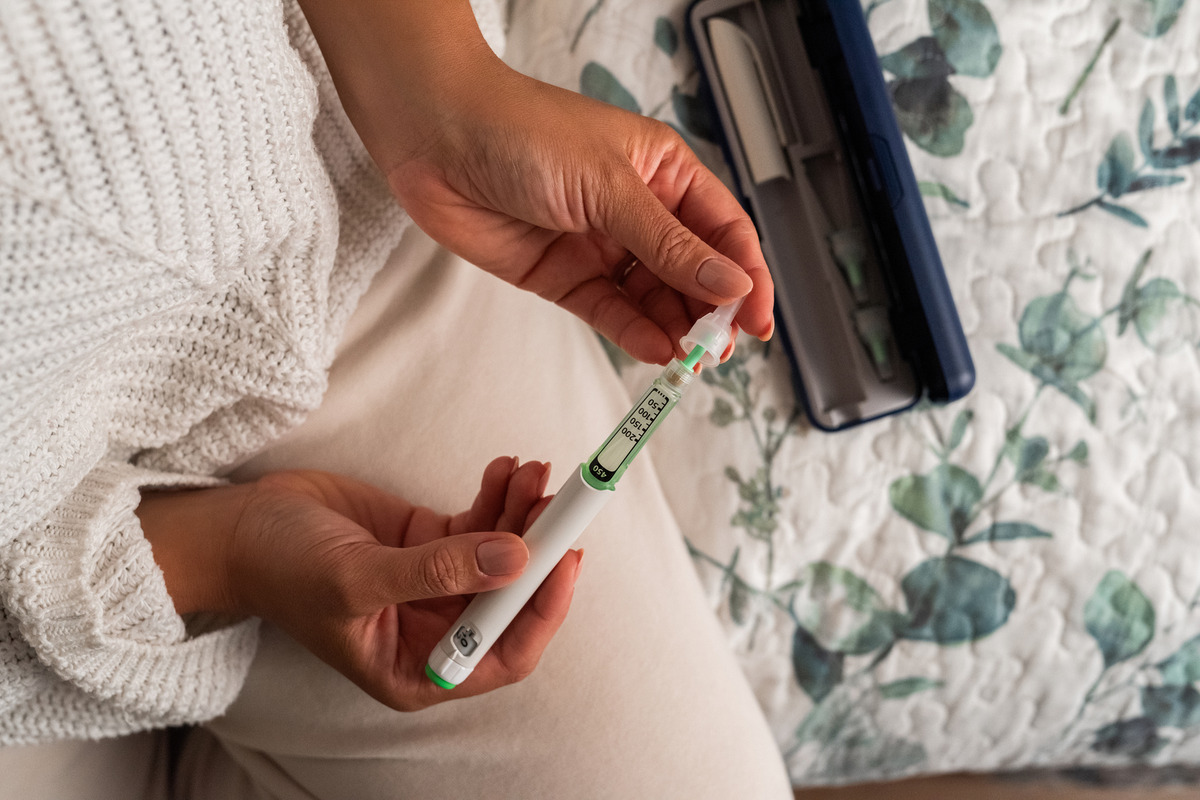
However, each manufacturer offers cheaper routes. Qsymia®’s home-delivery program lowers the price to about $70 to $98 a month. Note also that Qsymia® has a generic version available, which might be more affordable. For Zepbound®, buying single-dose vials or the KwikPen straight from Eli Lilly through Lilly Direct costs $299 to $499 a month, depending on your dose. With commercial insurance, the cost can fall further, though copays vary by insurer.
Getting that coverage is often the real hurdle. Many plans exclude weight-loss drugs entirely, and those that do cover them usually require proof that you meet certain criteria and have tried other weight management approaches. Before paying for Zepbound®, some insurers ask you to try a lower-cost option, like Qsymia®. One thing can open the path to getting Zepbound® covered: Because it’s also approved for sleep apnea, plans that won’t touch weight-loss drugs may still cover it when it’s prescribed for that condition.
A new Medicare program that launched in July 2026 offers the Zepbound® KwikPen at $50 per month for people who qualify, and Part D may cover Zepbound® when it treats sleep apnea.
Getting started with the right medication through Maven Clinic
Neither of these treatments is the “better” choice. The right fit for you depends on how much weight you hope to lose, what your health history allows, and what your insurance will cover.
The good news is that you don’t have to make this decision on your own. Maven Clinic’s GLP-1 Care pairs you with specialists who assess your whole physical condition, weigh the trade-offs with you, and shape an evidence-based plan around your goals. Learn more and start your journey today.

"I tried a GLP-1 through another service first. Got the prescription, got nothing else. I'm in my late 40s, my body was changing, and I was asking AI my follow-up questions. Maven was the first time I had a clinician who knew what was going on with me and helped me feel like me again."

"There's so much noise online, and I wanted someone I could actually trust. With Maven, I understood my options, why I was taking what I was taking, and what to expect before I ever started. It felt clear from day one."

"My clinician covered things I hadn't thought to ask, like how GLP-1s can affect birth control. I felt like I was making an informed decision instead of just following a trend."



.jpg)
.jpg)