

Key Takeaways
- Zepbound® doesn't treat menopause symptoms like hot flashes, but it can help address menopause-related weight gain and metabolic changes.
- Early research suggests combining Zepbound® with hormone replacement therapy (HRT) may lead to greater weight loss than using Zepbound® alone, although more studies are needed.
- Preserving muscle, protecting bone health, staying hydrated, and prioritizing sleep are important for getting the most from Zepbound® during menopause.
- The best results come from a personalized care plan that combines medication with nutrition, movement, and ongoing support tailored to your changing health needs.
Weight gain during menopause can feel like an uphill battle as your body goes through complex hormonal changes. Diet and exercise routines that used to work no longer produce the same results, leading many to consider medical interventions. Given the rising popularity of glucagon-like peptide-1 (GLP-1) medications, you may be wondering: Does Zepbound® help with menopause?
While this medication won’t treat vasomotor symptoms (VMS) like hot flashes or night sweats, Zepbound® can target the metabolic changes that the menopause transition often brings. Emerging research even suggests it may be more effective when combined with hormone replacement therapy (HRT).
The article breaks down what Zepbound® can and can’t do for menopausal individuals. We’ll examine the latest clinical evidence and explore key considerations if you’re thinking about adding it to your care plan.
What’s Zepbound®, and how does it work in the body?
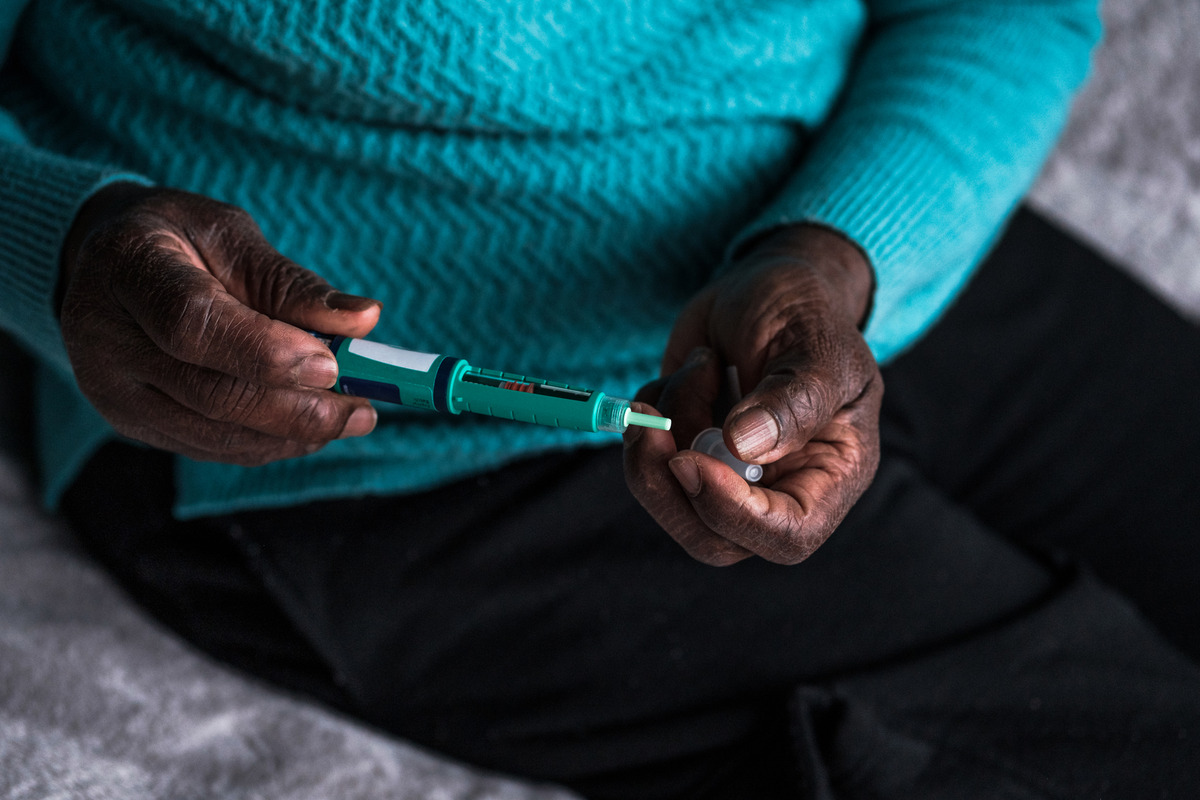
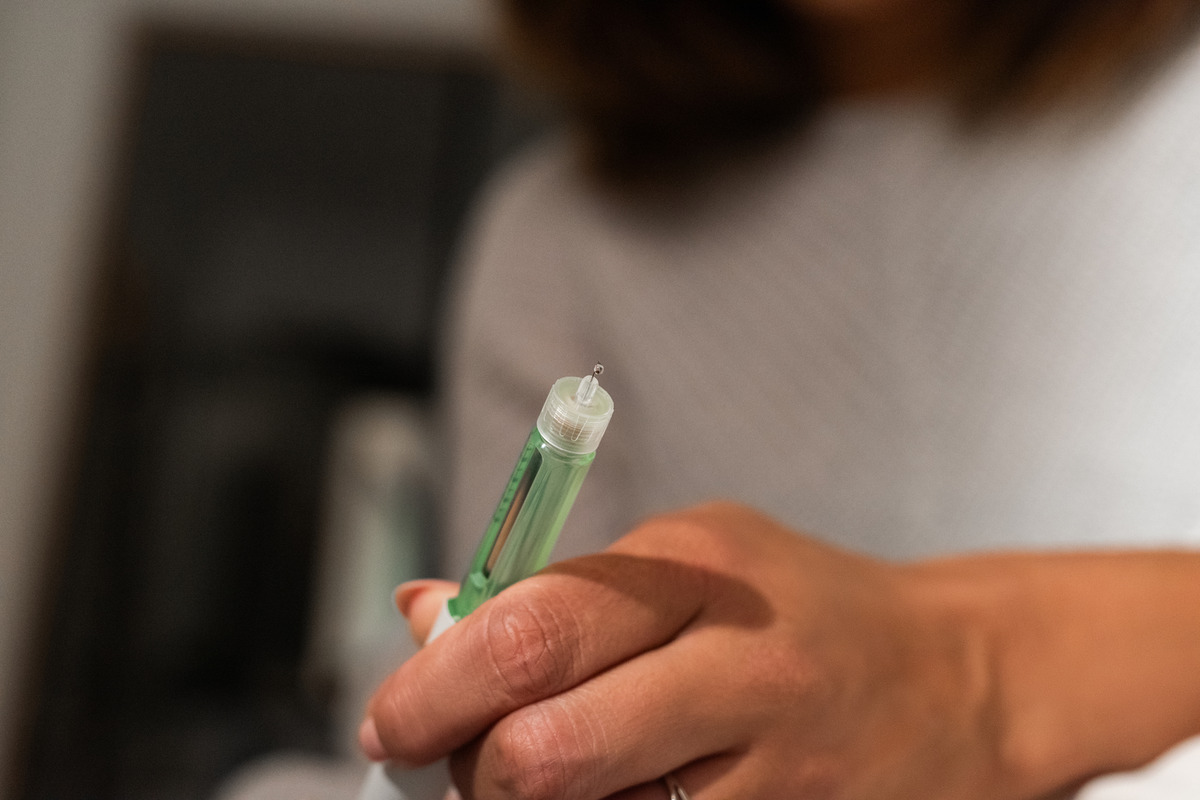
Zepbound® is a once-weekly injectable weight loss medication containing the active ingredient tirzepatide. This active ingredient targets two different hormone receptors: glucose-dependent insulinotropic polypeptide (GIP) and glucagon-like peptide-1 (GLP-1). The dual action explains why Zepbound® tends to lead to greater weight loss and better health improvements than medications that rely on GLP-1 alone. Here’s a quick breakdown of how each hormone works in your body.
GLP-1
Most GLP-1 medications, like Ozempic® and Wegovy® (semaglutide), mimic a natural gut hormone called glucagon-like peptide-1 (GLP-1). After you eat, this hormone tells the hunger center of your brain (hypothalamus) that you’re full. It also directs your stomach muscles to contract more slowly, emptying its contents at a reduced rate and keeping you feeling fuller for longer. Finally, it tells your pancreas to release insulin and stop producing glucagon. The insulin production helps your cells absorb sugar from your bloodstream, while stopping glucagon production prevents your liver from releasing extra sugar. By amplifying these natural fullness and digestive signals, GLP-1 medications help you feel satisfied sooner after eating and eat less overall.
GIP
Tirzepatide goes a step further than GLP-1 medications by also activating GIP. Released by the small intestine after a meal, GIP helps clear fat from the bloodstream by traveling to your fat cells and stimulating them to take up free fatty acids from your bloodstream. At the same time, GIP stimulates the pancreas to release insulin after a meal. It helps your fat cells take up and store nutrients, making them healthier and more responsive to insulin.
Can Zepbound® help with menopause symptoms?
Zepbound® isn’t a hormone treatment and doesn’t target VMS like hot flashes or vaginal dryness. As the North American Menopause Society (NAMS) notes, HRT remains the most effective option for managing those symptoms. However, Zepbound® can address the secondary metabolic effects of menopause.
Metabolic effects of menopause
Estrogen helps your cells respond to insulin signaling and move sugar out of your bloodstream and into your cells for energy. It also helps maintain muscle mass and dictates where your body stores fat. As estrogen levels decline, your cells become insulin resistant, causing your pancreas to overproduce insulin. This insulin signals your body to prioritize fat storage. At the same time, you begin losing muscle mass. This lowers your resting metabolic rate, meaning you burn fewer calories at rest than before. Finally, your body begins to shift fat storage away from your hips and thighs and toward your midsection.
For many, this results in climbing weight, despite consistent activity and healthy eating. People often begin to search for information on Zepbound® and perimenopause to proactively manage these issues, as midlife is often when metabolic changes begin to accelerate. By targeting the underlying mechanisms of hunger, insulin response, and fat distribution, Zepbound® helps counteract these shifts.
What are the benefits of using Zepbound® during menopause?
Tirzepatide offers several documented benefits for menopausal individuals:
- Significant weight loss: Individuals in peri and postmenopause lost approximately 23% of their body weight on the highest dose in the SURMOUNT trials. As a result of having less fatty tissue, which acts as internal insulation, these people reported a decrease in the severity of hot flashes, as well as improved sleep quality.
- Visceral fat reduction: Waist circumference dropped by about 20 cm in peri and postmenopausal groups, directly targeting the dangerous abdominal fat linked to cardiovascular and metabolic risk.
- Improved metabolism: Tirzepatide lowered triglycerides (the most common type of fat in your body) and improved how the body responds to insulin.
- Reduced food noise: Many people describe a quieting of the constant mental pull toward eating, making it easier to maintain healthy habits.
Zepbound® and hormone therapy together: What the latest research shows
Zepbound® and HRT treat different concerns, but a 2026 Mayo Clinic study suggests they may work better together. Researchers reviewed medical records from postmenopausal individuals, comparing those who took tirzepatide with HRT to a control group who didn’t use HRT.
The data reveals significant differences. Those on both tirzepatide and HRT lost an average of 19.2% of their body weight, compared to 14% in the tirzepatide-only group. That’s roughly 35% more weight loss. This dual-therapy group also saw greater improvements in blood pressure, triglycerides, and liver enzymes.
The researchers offered three possible explanations for these findings:
- Proactive health habits: People who seek out HRT may already be more proactive about their health, making them more likely to follow dietary and exercise recommendations.
- Symptom relief: HRT relieves hot flashes and sleep disruption. This restores baseline energy and stabilizes appetite hormones, making it easier to stay consistent with the lifestyle changes that drive weight loss.
- Biological synergy: Early lab research suggests estrogen may amplify the appetite-suppressing effects of GLP-1 medications in the brain.
Researchers require more controlled trials to prove that HRT causes increased weight loss. However, the current evidence on Zepbound® and menopause suggest that treating symptoms and managing weight works best within a unified care plan.
How to get the most from Zepbound® treatment
Zepbound® works best as part of a broader health plan. Before starting, your physician must confirm your eligibility. The FDA requires either a BMI of 30 or higher or 27 or higher with at least one weight-related health condition like high blood pressure or type 2 diabetes. Your physician must also screen for risk factors, including a personal or family history of medullary thyroid cancer or multiple endocrine neoplasia syndrome type 2 (MEN 2).
If you qualify, it’s important to proactively manage how the medication interacts with the physiological changes of menopause.
Preserve muscle mass
Estrogen decline during menopause naturally accelerates muscle loss. Since up to 25% of weight loss on tirzepatide can be lean mass, you need to take steps to protect it. Otherwise, you’ll face a high risk of falls and broken bones, as well as reduced mobility. To keep muscle intact, aim for a daily protein intake of 1.2 to 1.6 grams per kilogram of body weight. Prioritize strength training as well to maintain your metabolic health.
Protect bone health
Estrogen decline inherently increases your risk for bone loss and fractures. GLP-1 treatment compounds this issue. A 2024 clinical trial found that adults with elevated fracture risk who took a GLP-1 RA lost 2.6% of hip bone density over one year. To protect bone, prioritize resistance training and weight-bearing exercise. Aim for a daily intake of 1,200 mg of calcium and 15 mcg (600 IU) of vitamin D. Discuss monitoring your bone health via DEXA scans with your doctor.
Manage digestive health and hydration
Starting treatment and increasing your dose often triggers gastrointestinal (GI) side effects like nausea, constipation, and diarrhea, which increase fluid loss. Menopause already disrupts thermoregulation, which disrupts the body’s fluid balance and internal cooling mechanisms. Side effects like nausea and diarrhea can quickly lead to rapid dehydration. Staying well hydrated helps replace what’s lost and protects kidney function. To help further manage the GI effects, talk to your doctor about lowering your dose of Zepbound® and limiting consumption of high fat foods like cheeses and red meats.
Prioritize restorative sleep
Poor sleep is a common menopausal symptom that elevates your body’s hunger hormone (ghrelin) and reduces insulin sensitivity. Prioritizing sleep hygiene prevents your hormones from actively working against the medication’s weight loss effects.
Commit to long-term maintenance
The SURMOUNT-4 trials found that participants who discontinued tirzepatide after 36 weeks regained about two-thirds of the weight they’d lost over the following year. Because menopause permanently alters your hormonal balance and makes weight maintenance more challenging, Zepbound® may work better as a long-term tool rather than a temporary fix.
Collaborate with a specialist
Working with a metabolic specialist can help you navigate Zepbound® dose adjustments (ranging from 2.5 mg up to a maximum of 15 mg). They’ll monitor your response, manage side effects, and adapt your care plan as your body changes.
Navigate menopause weight gain with Maven Clinic
Menopause symptoms rarely show up one at a time. Hot flashes disrupt sleep, and poor sleep raises hunger hormones. Increased hunger leads to weight gain that worsens insulin resistance, and the cycle compounds. That’s why the most effective treatments aim to connect the dots, combining hormone and weight management with lifestyle strategies like nutrition, movement, and sleep hygiene into a single plan.
If you’re navigating menopause and considering whether Zepbound® belongs in your care plan, Maven Clinic can help. Our Hormone Care and GLP-1 Care programs work together so you can address hormonal symptoms and weight management with the same clinical team.
A Maven specialist can evaluate your symptoms, walk you through your options, and build a plan around how your body is changing.

"Navigating perimenopause has been difficult. I was having symptoms, but my physical and labs came back normal. After speaking with a Maven provider, I felt like someone understood what I was going through and that I wasn't crazy!"

"The holistic view and approach for managing perimenopause and menopause has been life-changing! Nearing 50, I am in the best physical shape with support from the physical support and nutrition coaches."

"I started using Maven because I was looking for answers and support during perimenopause. What stood out immediately was how understood I felt. The providers didn't dismiss my symptoms, they helped me make sense of the changes happening in my body and gave me practical, personalized support."
FAQ
Is Zepbound® FDA-approved for menopause?
No. The FDA approves Zepbound® for chronic weight management in adults with obesity or who are overweight with at least one weight-related health condition. It’s also approved for moderate-to-severe obstructive sleep apnea (OSA) in adults with obesity.
Does Zepbound® work as well for weight loss after menopause as before?
Yes. A 2025 analysis of the SURMOUNT trials found that individuals taking the highest dose of tirzepatide lost 23% of their body weight in both peri and postmenopause, compared to 26% before menopause. Individuals in all age groups meaningfully benefitted from the medication.
Does Zepbound® help with hot flashes?
Zepbound® doesn’t directly target hot flashes. However, because higher body weight is linked to more frequent and intense hot flashes, the weight loss Zepbound® produces may lead to some improvement of this symptom.





%2520(1).png)