
Key Takeaways
- FDA-approved GLP-1s undergo rigorous testing; compounded versions do not. Compounded drugs are mixed by pharmacies without FDA review for safety, efficacy, or quality.
- Compounded GLP-1s carry additional risks beyond standard side effects. Dosing errors, unapproved chemical forms, and contamination risk are more common due to lack of oversight.
- Compounding is now largely restricted to rare, clinically justified cases. With the 2022 shortage resolved, most compounded GLP-1s are no longer legal outside narrow exceptions like ingredient allergies.
Semaglutide and tirzepatide became scarce in 2022. To make up for that GLP-1 medication shortage, the FDA added these medications to their shortage list, which allowed compounding pharmacies to temporarily make copies of patented formulations. These drugs are mixed in-house, and they’re not FDA-approved. This shortage has since been resolved. But some compounding pharmacies still offer custom-mixed GLP-1s for limited use cases.
In this article, we’ll break down what separates FDA-approved versus compounded GLP-1 medications and explain how that impacts your care options.
Key differences between FDA-approved vs. compounded GLP-1s vs. generic drugs
FDA approval is usually a lengthy process. Drug manufacturers must run studies to show their medication safely treats a specific condition. After completing those tests, companies send the data to the Center for Drug Evaluation and Research (CDER). A large team of CDER specialists, including physicians and chemists, check the results. If they find the benefits outweigh the results, they approve the medicine for sale.
The agency’s work doesn’t stop there. Once medications are on the market, CDER tests some to make sure the drug contains the right active ingredient in the correct amount, see whether the formula has any impurities, and confirm that the drug absorbs into peoples’ systems correctly.
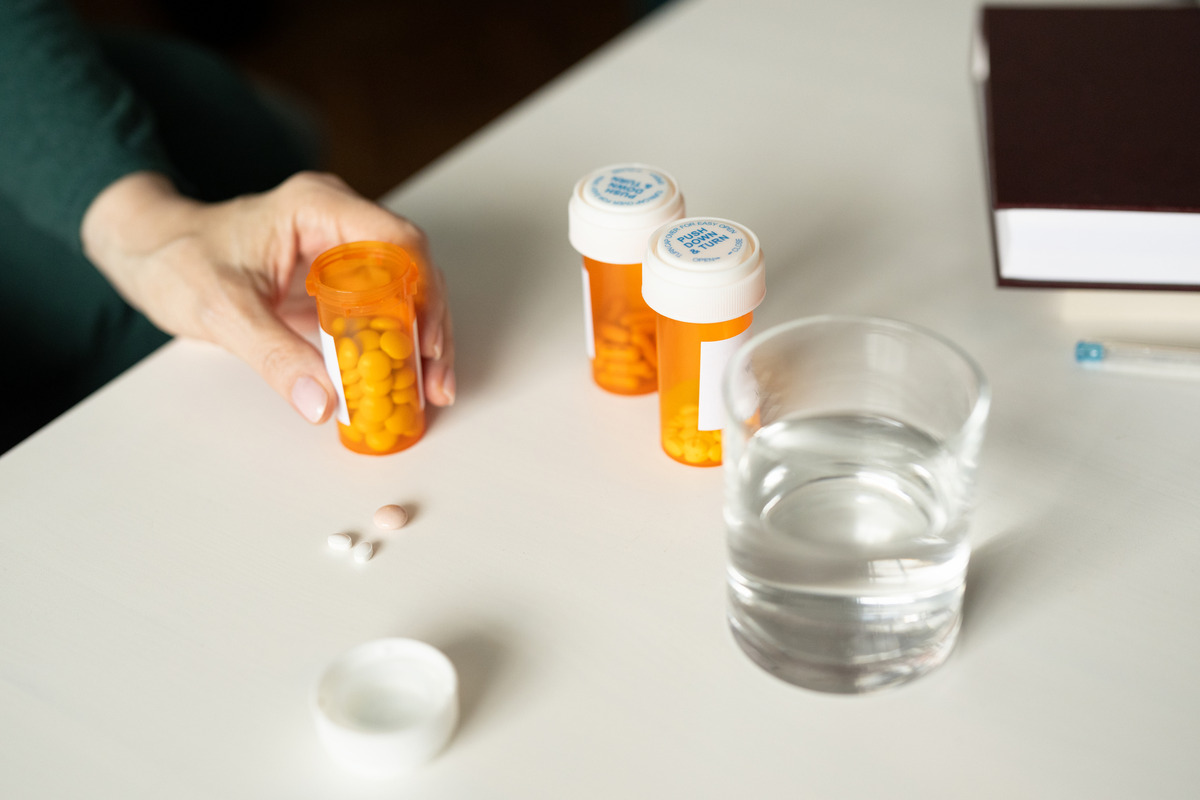
A compounded medication is a different version of a drug that a pharmacy mixes on-site, purchasing the raw active ingredient from a supplier and preparing the final product. The FDA doesn’t review it for safety, effectiveness, or quality before it reaches you. It has no verified dosing or standardized label.
These are sometimes confused with generic drugs, but they’re not the same thing. A generic is just an FDA-approved copy of a brand-name drug. It still goes through a formal review process.
Here’s a closer look at the difference:
Who should use FDA-approved GLP-1 vs. compounded GLP-1?
FDA-approved medications have been tested in clinical trials and manufactured under federal quality standards. For most people who qualify for GLP-1 treatment, they’re the clear choice. But in rare cases when approved products can’t meet specific medical needs, providers might advise the compounded route.
When FDA-approved fits better
Your provider may recommend an FDA-approved GLP-1 medication to treat:
- Overweight or obesity: Wegovy® (semaglutide), Zepbound® (tirzepatide), Saxenda® (liraglutide), and Foundayo® (orforglipron) are approved for weight loss.
- Type 2 diabetes: Ozempic® (semaglutide), Mounjaro® (tirzepatide), and Rybelsus® (oral semaglutide) regulate blood sugar levels in type 2 diabetes patients.
- Heart disease: Wegovy® can also lower the risk of heart attack, stroke, and cardiovascular death in adults with heart disease and overweight or obesity.
- Obstructive sleep apnea (OSA): In adults with obesity, Zepbound® treats moderate-to-severe obstructive sleep apnea, a condition where breathing repeatedly stops during sleep.
- Chronic kidney disease (CKD): Ozempic® slows the progression of kidney disease and lowers the risk of cardiovascular death in adults who have both type 2 diabetes and CKD.
- Cardiovascular issues: Mounjaro® is FDA-approved to reduce risk of cardiovascular death, heart attack, and stroke in adults who have both type 2 diabetes and are at high cardiovascular risk.
When compounding might be considered
Compounding a GLP-1 is only the best option in rare, clinically justified cases. Even then, prescribers must document the specific medical reason you need it. Cases include:
- Allergies: Some people have an allergy to an inactive ingredient, such as a dye or a preservative, that switching to a different FDA-approved GLP-1 formula can’t fix.
- Formulation needs: If you need a dose or formulation that isn’t commercially available, a compound might be an alternative.
FDA-approved vs. compounded GLP-1s: Safety and risks
The FDA requires manufacturers to report when a patient taking an FDA-approved drug has a serious side effect or an unexpected reaction. That’s how the agency catches, investigates and adds information to the prescribing label over time.
Compounding pharmacies don’t have the same requirement. That means they aren’t building the safety record that helps your provider anticipate and manage risks.
Common side effects of GLP-1s
The most frequently reported side effects involve digestion. GLP-1s are effective, in part, because they slow your digestion, which extends feelings of fullness and steadies blood sugar spikes. But this can also cause:
- Nausea
- Diarrhea
- Vomiting
- Constipation
- Abdominal pain
Other commonly reported side effects include:
- Headache
- Fatigue
- Injection site reactions (redness, itching, or swelling where the needle enters the skin)
The FDA requires all prescribing labels of GLP-1 medications to include a black box warning. In rodent studies, GLP-1s caused thyroid C-cell tumors, including a type of cancer called medullary thyroid carcinoma (MTC). We still don’t know if these findings apply to humans. However, out of an abundance of caution, GLP-1s aren’t considered safe for anyone with a personal or family history of MTC or a genetic condition called MEN 2.
All these side effects and warnings apply to both FDA-approved and compounded GLP-1s. The active ingredient carries the same pharmacological risks regardless of who made it. But compounded GLP-1 side effects go beyond what’s listed above. Additional risks include:
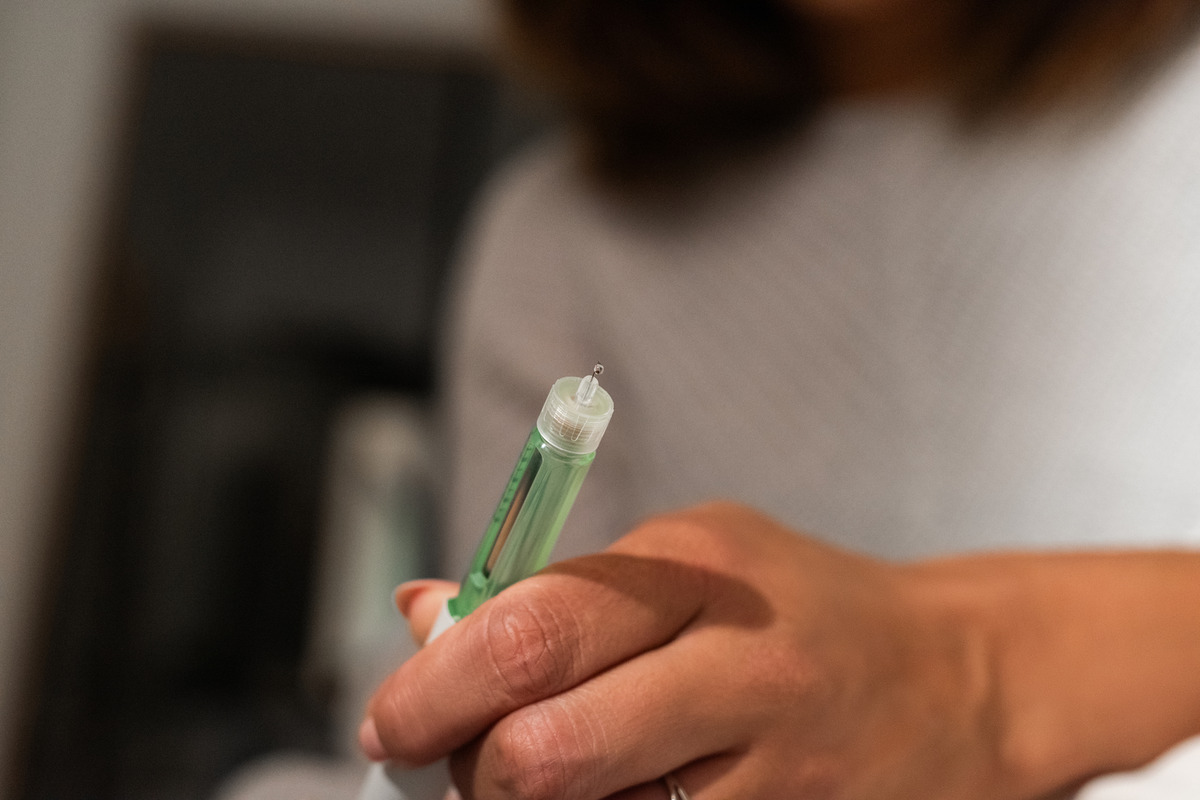
- Dosing errors: Compounded GLP-1s often come in multidose vials instead of prefilled pens. That means patients have to measure and draw their own doses with a syringe. The FDA received reports of hospitalization-level overdoses from patients who miscalculated their dose or confused units of measurement.
- Unapproved chemical forms: Instead of plain semaglutide, some compounders have used semaglutide sodium or semaglutide acetate in their formulations. We don’t yet know the safety and effectiveness of these active ingredients.
- Improper storage: The FDA received complaints that compounded GLP-1s arrived without the right refrigeration, which can degrade the drug’s quality.
- Contamination risk: FDA-approved manufacturers have to prove that their raw ingredients are pure and free of contaminants. Many compounders sourced their active ingredient from overseas suppliers never inspected by the FDA.
As of May 2026, the FDA had received 990 adverse event reports linked to compounded semaglutide. More than 730 reports involved tirzepatide compound products. These numbers are most likely underestimated.
FDA-approved vs. compounded GLP-1: Cost and access
Manufacturer programs have significantly brought down the cost of FDA-approved GLP-1s. Novo Nordisk’s NovoCare Pharmacy offers Wegovy® starting at $149 per month for self-pay patients. Eli Lilly’s LillyDirect sells Zepbound® at $299 to $699 per month. And with commercial insurance plus a manufacturer savings card, you can get care for as little as $25 per month.
Insurance coverage depends mainly on the indication. Most commercial plans cover GLP-1s for type 2 diabetes, though they often ask you to try metformin first. Coverage for weight management is uneven. Some plans require documentation of a qualifying BMI, related health conditions, previous weight loss attempts, and in some cases, that you’ve already tried a lower-cost drug first. Others exclude weight-loss medications altogether.
Even though Medicare Part D has historically excluded weight-loss medications, a new program called the Medicare GLP-1 Bridge now offers Wegovy®, Zepbound® KwikPen, and Foundayo® at $50 per month for eligible patients. GLP-1s prescribed for diabetes or cardiovascular indications still follow standard Part D coverage guidelines.
On the other hand, the market for compounded GLP-1s has largely shut down. The FDA resolved the tirzepatide shortage in December 2024 and the semaglutide shortage in February 2025. The deadlines for pharmacies to stop mixing these copies have all passed, so compounding a copy of an approved GLP-1 product is no longer legal outside the narrow exceptions described above.
How to choose between FDA-approved and compounded GLP-1s
FDA-approved GLP-1 medications observe the strictest manufacturing, dosing, and safety monitoring standards available. They’re almost always the best treatment path. And with manufacturer programs, savings cards, and the new Medicare GLP-1 Bridge program, they’ve become more accessible.
But medication is only one piece of the well-being puzzle. Sustainable results come from pairing the right prescription with nutrition guidance, lifestyle changes, and ongoing monitoring.
Maven Clinic connects you with specialists who prescribe only FDA-approved treatments, help you navigate access barriers, and guide you through lifestyle changes for the best results. Learn more about how Maven Clinic handles your care.

"My clinician covered things I hadn't thought to ask, like how GLP-1s can affect birth control. I felt like I was making an informed decision instead of just following a trend."

"I tried a GLP-1 through another service first. Got the prescription, got nothing else. I'm in my late 40s, my body was changing, and I was asking AI my follow-up questions. Maven was the first time I had a clinician who knew what was going on with me and helped me feel like me again."

"There's so much noise online, and I wanted someone I could actually trust. With Maven, I understood my options, why I was taking what I was taking, and what to expect before I ever started. It felt clear from day one."
.jpg)