
Key Takeaways
- Most people taking GLP-1 medications are women. Researchers think hormone changes may be part of the reason, but they're still studying why.
- How much weight someone loses depends on the medication, the dose, and the person.
- These medications work best alongside healthy habits like better eating and exercise. Stopping the medication without those habits can lead to the weight coming back.
As you age, hormone levels, metabolic function, and insulin responses begin to change. So one day, you might find that you’re eating and exercising as you always have, but your weight is harder to manage. If you’re frustrated with this feeling, you’re not alone. Roughly 75–80% of GLP-1 RA users are women.
GLP-1s are prescription only, and eligibility depends on your individual health history. If you’re interested in taking these medications, read on to find out how they work and what to realistically expect. Then, ask your doctor for more personalized guidance.
What’s GLP-1, and how does it work for weight management? The natural hormone
GLP-1, or glucagon-like peptide-1, is a hormone your body naturally makes in the small intestine after eating. It helps regulate your blood sugar, appetite, and metabolism.
One of GLP-1’s primary functions is promoting insulin production. After you eat, your pancreas releases insulin to turn the sugars from food (glucose) into energy. If your system doesn’t make enough insulin, glucose will stay in your bloodstream, causing blood sugar spikes. High blood sugar leads to issues like hunger and brain fog. Long term, these spikes can lead to health conditions rooted in insulin resistance, like pre-diabetes or type 2 diabetes. GLP-1 encourages your body to release more insulin, preventing spikes.
GLP-1 also affects glucagon production. Glucagon raises your blood sugar when it’s low, like after working out or eating a lot of protein. Left unchecked, glucagon can raise blood sugar levels too high. To combat this, GLP-1 regulates glucagon release.
Additionally, GLP-1 slows food’s movement from your stomach to your small intestine, and it regulates hunger. Together, these effects mean you feel full sooner and for longer (also known as feeling satiated).
All these functions impact your weight on two planes: blood sugar mechanics and satiation. Big blood sugar crashes and spikes make you hungry, and GLP-1 evens out levels to prevent this. And when you’re satiated, you’re less likely to overeat.
How GLP-1 medications promote weight loss
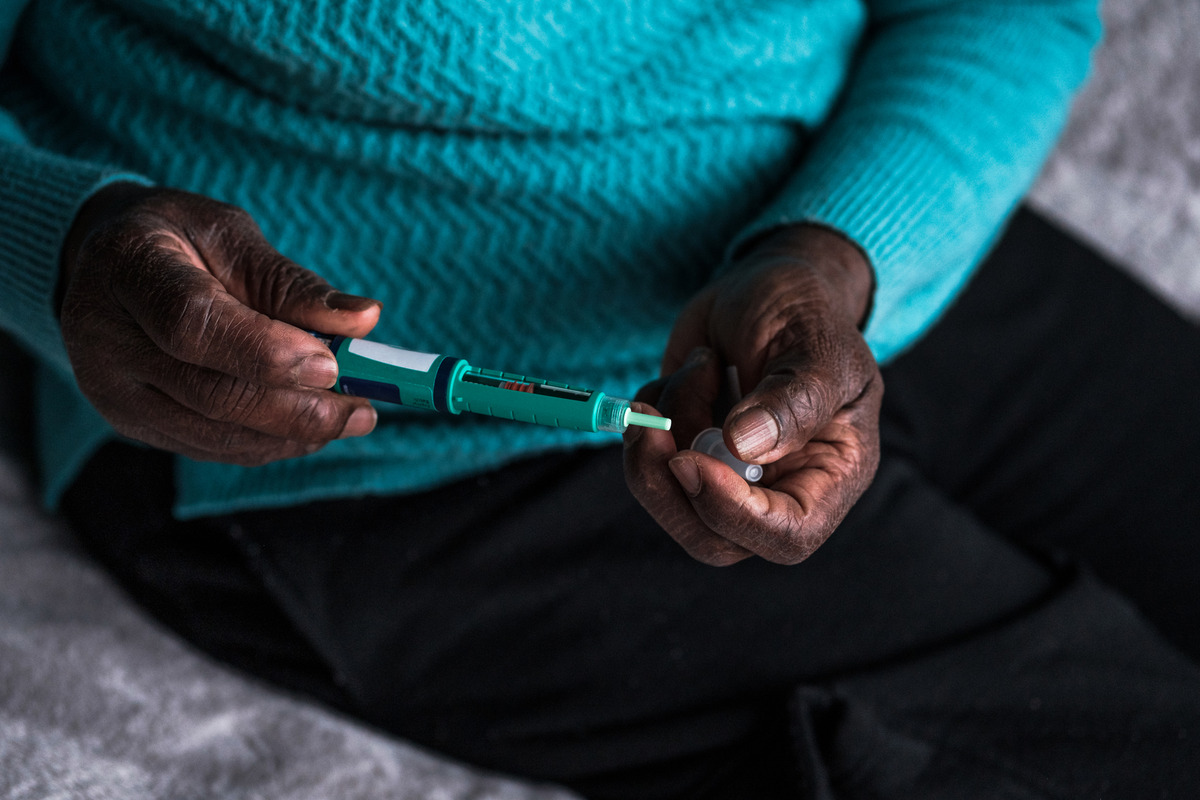
GLP-1 receptor agonists (GLP-1 RAs, or GLP-1s) are prescription medications like:
- Semaglutide: Known by brand names like Ozempic® and Wegovy®
- Tirzepatide: Known by brand names like Mounjaro® and Zepbound®
- Liraglutide: Known by brand names like Victoza® and Saxenda®
GLP-1s mimic the natural hormone at higher, longer-lasting levels. They regulate appetite, digestion, and blood sugar more effectively. By doing so, GLP-1s increase satiety and reduce cravings, both of which help you lose weight.
However, they’re designed to enhance—not replace—lifestyle changes like diet and exercise. And medication type, dose, and related health conditions all impact how effective GLP-1s are. For instance, people experiencing insulin resistance, PCOS, and perimenopause may not see the same weight and appetite benefits as those without these conditions.
Which GLP-1s are best for weight loss vs. diabetes?
Not all GLP-1 medications are approved for the same purpose. Below is a brief overview of some of the more common brand names and use cases. Note that this isn’t a complete list of available medications.
FDA approved for weight loss
- Wegovy®
- Zepbound®
- Saxenda®
FDA approved for diabetes management
- Ozempic®
- Mounjaro®
- Rybelsus®
- Trulicity®
- Victoza®
Your doctor can decide which medication is best for your situation.
Who’s a good fit for GLP-1 treatment?
To decide whether a GLP-1 weight loss program is right for you, consider the following criteria and questions.
Common criteria
When it comes to weight loss, most FDA-approved GLP-1s are indicated for adults with a BMI of 30 or higher or those with a BMI of 27 or higher and a weight-related condition.
BMI isn’t necessarily the only indicator. Your clinician will also assess waist size, blood sugar markers, and cholesterol levels.
Treatment might not be right for you if:
- You have a personal or family history of medullary thyroid carcinoma or MEN2
- You’re pregnant or plan to become pregnant
- You have a history of pancreatitis
- You have gallbladder disease
How GLP-1 weight loss programs work
A GLP-1 weight loss program typically combines medication with gradual dose adjustments, regular check-ins, and guidance around lifestyle changes. Making these adjustments is more sustainable than taking medication alone. Even if you decide to stop using GLP-1 RAs later, you’ll have the tools to keep the weight off.
Questions you should ask your clinician
Before starting treatment, ask your doctor:
- What results are realistic for me, and over what time frame?
- What will my dose start at?
- When will I know it’s time to increase the dose?
- What lab work and check-ins will we do, and how often?
- What will this cost out of pocket?
- How long will I stay on this medication, and what’s the plan if I want to stop?
- Are there any interactions with my current medications?
- What are the side effects?
- What do I need to change about my lifestyle while on GLP-1s?
GLP-1 results: Typical weight reduction and time frame
In clinical trials, participants taking GLP-1s lost between 8–21% of their body weight, depending on the medication and dose.
Fluid shifts can impact early weight loss, while sustained fat loss builds up over months. The most significant changes typically happen in the first two to 16 months before reaching a plateau as your body adapts.
Weight loss timelines also vary by life stage. Hormonal changes during postpartum recovery or perimenopause can affect metabolism and appetite regulation.
Key factors influencing GLP-1 treatment weight loss results
GLP-1s are most effective at the right doses. Gradually increase your intake, and use medication on the correct schedule. Some GLP-1s require a daily dose, while others are weekly.
Once you and your doctor find the right approach to medication, support it with sustainable habits. Eat enough protein and fiber, do resistance training exercises, and get enough sleep. Together, the right medicine and lifestyle changes help with weight loss.
Non-scale improvements to track
The scale isn’t the only indicator of success. GLP-1s may cause muscle mass loss, so track more than just pounds lost to see whether the treatment is working well for you. Keep an eye on these factors:
- Waist size: Check your measurements every month.
- Blood sugar: If you have a history of pre-diabetes or diabetes, get a blood glucose meter from your pharmacy, and ask your doctor how often to test your levels.
- Sleep apnea symptoms like snoring and fatigue: Record yourself while sleeping to listen for snoring, or ask your partner. Note whether you feel tired during the day, especially if you’ve gotten enough sleep.
- Mobility (or lack thereof): Take photos of yourself stretching to see whether your range of motion changes. Monitor your joint pain to see whether that improves as well.
- Menstrual regularity: Track your periods to find out if your cycle becomes more predictable.
- Meals and cravings: Keep a food journal to track what you eat, how you feel afterward, and whether you have cravings. Write down how often you think about food when you’re not hungry.
- Energy levels: Note if your energy levels vary quite a bit throughout the day or if they’re more consistent.
Have your doctor review these factors during check-ups, and take notes between visits to give them an accurate picture of day-to-day changes.
What happens if you stop GLP-1s?
When you stop a GLP-1 medication, appetite signals return, and digestion speeds up as the body starts regulating hunger and metabolism on its own.
Unfortunately, this can lead to weight regain. The 2021 STEP 4 withdrawal trial found that participants who stopped semaglutide regained approximately two-thirds of their lost weight within a year. That’s why lifestyle changes and continued support matter for keeping weight off after semaglutide.
Side effects and long-term risks for GLP-1 injections and pills
GLP-1 medications are generally well-tolerated, but they do have side effects.
Common side effects
Nausea is the most frequently reported, affecting up to 44% of people on semaglutide in clinical trials. Diarrhea, constipation, vomiting, and acid reflux may also occur, especially during dose escalation.
Less common but serious risks (what to watch for)
Seek prompt medical attention for:
- Severe abdominal pain (possible sign of pancreatitis)
- Right upper abdominal pain, with fever or jaundice (possible gallbladder issue)
- Neck lump, difficulty swallowing, or hoarseness
- Low blood sugar symptoms, such as shakiness or confusion
- Signs of allergic reaction, including swelling or difficulty breathing
How much do GLP-1s cost?
Brand-name GLP-1 injections for weight loss can cost $1,000 or more per month without insurance. Coverage varies widely, and out-of-pocket costs depend on your plan. Many commercial plans cover FDA-approved GLP-1s for obesity, but prior authorization is common, and eligibility criteria differ.
If insurance doesn’t cover GLP-1s, that doesn’t mean you can’t take them. Some pharmacies, like Lilly Direct and NovoCare, offer self-pay options. In these cases, costs are totally out of pocket.
Unsafe or unapproved GLP-1 products
FDA-approved medications from licensed pharmacies are the only verified option. The FDA has issued warnings about compounded and counterfeit GLP-1 products linked to serious adverse events. Red flags include medication offered without a prescription, extremely low prices, or unverified sellers.
Always use licensed pharmacies when filling GLP-1 prescriptions, and never adjust your dose without guidance from your clinician.
A smarter next step with GLP-1 care at Maven Clinic
GLP-1 medications can be life-changing tools when they're part of a structured care plan that includes medical oversight and lifestyle support.
At Maven Clinic, that support is built in from day one. Care doesn't stop at the prescription stage—we take a holistic approach to weight management by addressing exercise, diet, and sleep.
If you're wondering whether GLP-1 treatment is right for you, explore Maven Clinic's GLP-1 Care program. Our clinicians will review your eligibility and build a plan that works for your body and lifestyle.

"I tried a GLP-1 through another service first. Got the prescription, got nothing else. I'm in my late 40s, my body was changing, and I was asking AI my follow-up questions. Maven was the first time I had a clinician who knew what was going on with me and helped me feel like me again."

"My clinician covered things I hadn't thought to ask, like how GLP-1s can affect birth control. I felt like I was making an informed decision instead of just following a trend."

"There's so much noise online, and I wanted someone I could actually trust. With Maven, I understood my options, why I was taking what I was taking, and what to expect before I ever started. It felt clear from day one."
FAQ
Are GLP-1s safe long-term?
Long term, studies show GLP-1s offer protective effects. These medications improve cardiovascular and kidney health.
Can you take GLP-1 while breastfeeding?
Generally, it’s not recommended to take GLP-1 RAs while breastfeeding. Talk to your doctor if you have questions or concerns.
What happens if you miss a dose?
Missing a dose could affect your appetite, causing you to overeat. Take your missed dose as soon as possible. If it’s been longer than four days, skip it and restart the following week. Talk to your doctor if you miss more than one dose.
Does insurance cover GLP-1 for weight loss?
Some plans cover GLP-1s, but not all. Talk to your insurance provider to see if you qualify.