




What to know now:
- As of January 1, 2027, the longstanding "global" maternity billing code will be replaced with an itemized system — unbundling prenatal visits, delivery, and postpartum care into dozens of separate claims. For employers, this is one of the most significant shifts in maternity benefits financing in decades.
- The upside: far greater visibility into where maternity costs are actually going, enabling earlier risk identification and more targeted care coordination.
- The risk: significant volatility in spend forecasting, especially for organizations with high-risk populations — including IVF pregnancies and pregnancies complicated by chronic conditions like diabetes or hypertension.
- Employers that act now — by evaluating health plan readiness, strengthening care coordination, and identifying high-risk pregnancies earlier — will be better positioned to control costs while sustaining high-quality care.
Unbundling maternity: What it means and why it matters
Historically, while the AMA's Current Procedural Terminology (CPT) manual contains roughly 10,000 billing codes, maternity care has relied on just a handful of "global" codes — one bundled price for prenatal visits, delivery, and postpartum care, with the main variable being whether the birth was vaginal or cesarean.
That model is breaking under its own weight. OBGYNs often absorb months of care before reimbursement arrives. High-risk pregnancies — driven by rising rates of diabetes, hypertension, and IVF — are increasingly common. And advances in maternal healthcare mean screenings, specialists, and interventions that once felt exceptional are now routine.
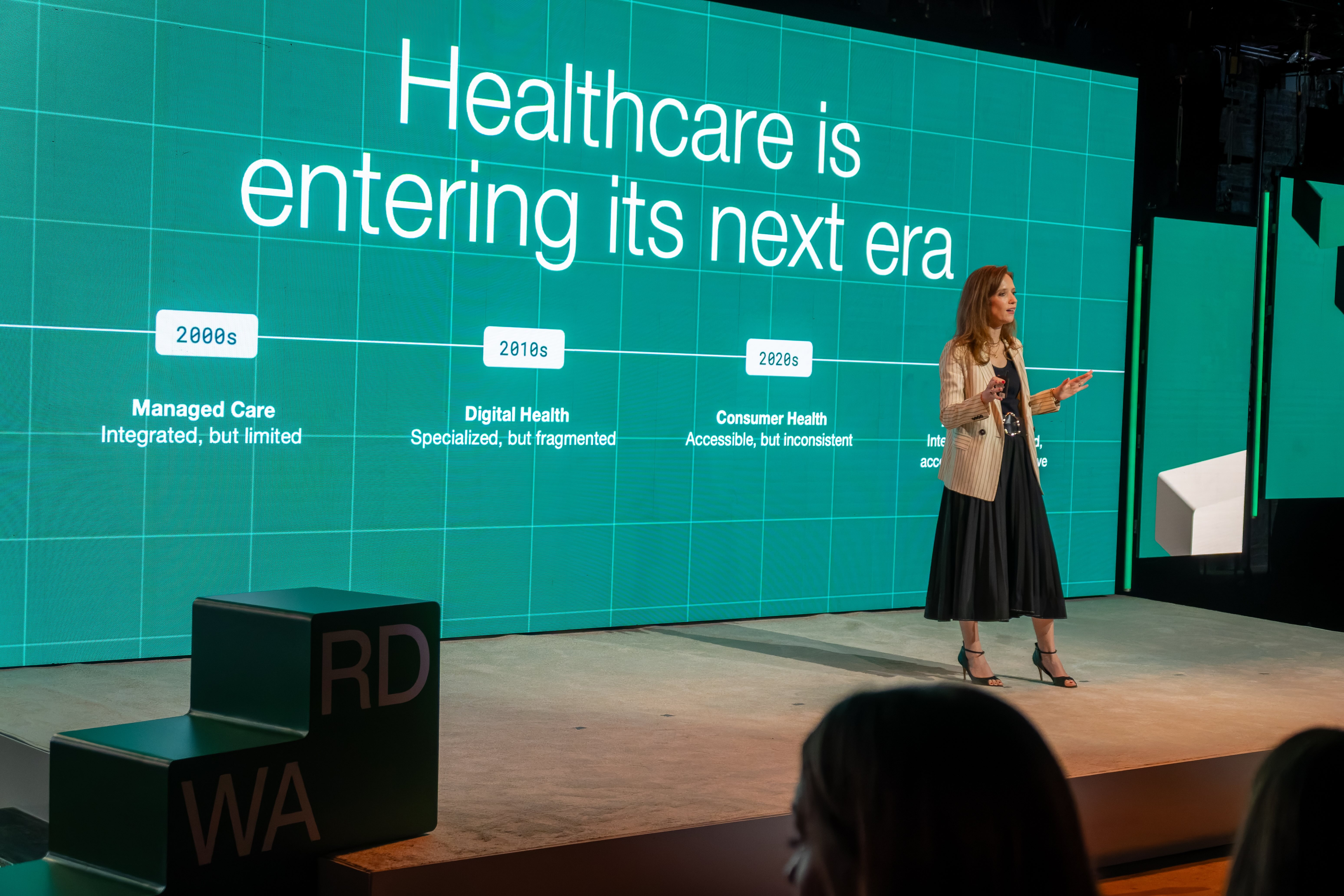
To help employers understand what this transition means in practice, Maven’s Chief Revenue Officer Doreen Bortell joined Dr. Neel Shah, OBGYN, Harvard faculty member, and leading voice in maternal health policy, for a webinar exploring the implications of maternity unbundling, the risks and opportunities ahead, and how organizations can prepare now.
Watch The End of Bundled Maternity Care webinar in full
As Dr. Shah explained during the webinar, this transition has been years in the making — and it will reshape how care is delivered and financed for a generation.
The case for unbundling
Despite the complexity it introduces, unbundling offers meaningful advantages — starting with visibility employers have never had before.
Greater data, earlier intervention
Itemized billing means employers and health plans will be able to see exactly where maternity costs are originating: specialist utilization, postpartum follow-up rates, ED visits, escalating high-risk cases. Rather than receiving a single bundled claim months after delivery, organizations can begin to intervene earlier — with more precision, and at lower cost.
"Wherever payment goes, care follows. And so, this will probably change the way care is delivered for a generation of Americans." — Dr. Neel Shah
New care models and technologies
As Dr. Shah explained during the webinar, the move toward unbundling has been years in the making, driven in part by the realities providers face on the ground and the growing complexity of maternal healthcare delivery. For clinicians managing medically complex pregnancies, itemized reimbursement will better reflect the actual intensity of care delivered. For patients, it may open doors to new tools and technologies — like earlier detection of preeclampsia — that previously lacked a clear reimbursement pathway under the bundled model.
The risks ahead
Unbundling also introduces a significant degree of volatility — and employers should go in clear-eyed.
Harder to forecast spend: One of the bundled model's core benefits was predictability. As Dr. Shah noted during the webinar, 2027 will be a year of volatility across the industry when it comes to maternity payments. What was once a relatively predictable line item will fragment into dozens of separate claims, making spend forecasting and trend analysis considerably more complex — particularly during the early implementation period.
High-risk populations will feel it most: For employers with higher-risk populations — including IVF pregnancies and pregnancies complicated by chronic conditions — costs could escalate quickly as services previously absorbed into a bundled payment become individually itemized. NICU admissions, emergency interventions, medically complex deliveries, and extended postpartum care will be far more visible. That transparency is valuable, but the financial exposure is real. It's worth noting that 57% of benefits leaders already report that high-risk pregnancies have increased healthcare costs for their organization — a number likely to grow as unbundling takes effect.
Administrative complexity: Moving from a single maternity claim to multiple transactions will create new operational demands. Forecasting, trend identification, and cross-provider reimbursement coordination will require new infrastructure and, in many cases, new partnerships.
Fragmentation of the care experience: More billing touchpoints can mean a more fragmented experience for employees: more bills, more provider interactions, more confusion. For employers, this reinforces the value of integrated maternity support models that keep care connected across the full journey — even as the financial system around it becomes more complex.
How Maven helps employers navigate what comes next
While the healthcare system moves toward unbundled payments, Maven provides an integrated, continuous care experience — from preconception through postpartum — that becomes even more critical when the system around it is fragmenting.
Members get 24/7 access to a multidisciplinary care team and a dedicated Care Advocate, with a single connected experience across pregnancy and postpartum. Continuous engagement enables earlier identification of high-risk pregnancies — and earlier intervention, before costs escalate.
Importantly, 81% of high-risk maternity members enrolled in Maven's High Risk Care Coaching program. And the outcomes speak to what proactive support can deliver:
- Up to 27% lower NICU admission rates
- Up to 15% lower C-section rates
- 94% of members return to work after leave
- $9,600 in average savings per birth — a direct result of intervening early, managing risk, and supporting better health outcomes from day one
As unbundled billing creates more data, Maven works with employers to use that information purposefully — identifying risk earlier, coordinating care more effectively, and turning new visibility into better outcomes.
Is your health plan ready?
As 2027 approaches, one of the most important steps employers can take is evaluating whether their health plan partners are prepared for the operational and financial realities of unbundling. During the webinar, the discussion made clear that organizations should not assume their plans already have the infrastructure, reporting capabilities, or care coordination strategies needed to navigate this transition effectively.
HR leaders should be asking vendors:
Can your plan identify high-risk pregnancies — and track what you're spending on each one? Starting in 2027, every prenatal visit, specialist touchpoint, and procedure may generate a separate claim. Employers should understand what data their plan can share, and how.
Will access to maternity care remain straightforward? Employers should ensure their plans aren't introducing new prior authorization requirements or visit limits that could negatively impact outcomes — and inadvertently drive costs higher.
How will maternity care be priced under the new codes? Pricing methodology will play a central role in determining whether unbundling becomes cost-neutral or a new cost driver.
What new visibility will you actually have? The shift creates real opportunities for insight into utilization, specialist involvement, and postpartum care completion — but only if plans are prepared to deliver on that data.
FAQ: The 2027 maternity billing change
What employers, brokers and health plans need to know
What is the 2027 maternity billing change?
Starting January 1, 2027, the American Medical Association is eliminating the global obstetric billing code that has covered maternity care as a single bundled payment for over 30 years. Under the new model, every component of maternity care — each prenatal visit, exam, ultrasound, lab test, counseling session, and delivery service — will be billed as a separate, itemized charge. This is the most significant change to maternity payment structure in a generation.
Why is this change happening?
The bundled global OB code was designed in an era when a single physician typically managed the entire pregnancy. Today, maternity care is delivered across teams — midwives, OB/GYNs, specialists, and mental health providers — and clinical complexity has grown significantly. Rates of pregnancy-related conditions such as gestational diabetes and hypertensive disorders have climbed; up to 10% of pregnant women in the U.S. are affected by gestational diabetes and up to 10% by hypertensive disorders. The AMA determined the bundled model no longer reflects how care is actually delivered, particularly for complex or high-risk pregnancies.
How does this affect employers?
Three things change for employers immediately:
- Cost variability goes up. Today, a normal pregnancy follows a predictable billing pattern. After January 2027, total cost will depend on how much care is used across the pregnancy — visit by visit, service by service.
- High-cost events become more visible — and more expensive. NICU admissions, C-sections, and complications will show up as larger, more itemized claims. High-risk pregnancies are expected to drive meaningfully higher costs in an unbundled environment.
- Administrative complexity increases. Employers will receive multiple claims throughout a pregnancy instead of one bundled payment at the end, requiring more active tracking and benefit management.
How does this affect brokers and health plan partners?
Your clients are about to start asking hard questions about maternity costs, and many of them don’t know this change is coming yet. Brokers and health plan AEs who can walk clients through the implications of unbundling — and help them put infrastructure in place before January 2027 — will be seen as strategic advisors, not just vendors. The employers who act early will have more predictable costs. Those who wait will be managing the fallout reactively.
What happens to cost predictability?
Predictability shifts from pricing to care management. Under the bundled model, cost predictability came from a fixed rate. In an itemized world, cost predictability comes from how well pregnancies are managed — how many high-risk cases are identified early, how many complications are prevented, and how many NICU admissions and C-sections are avoided. Employers without a maternity care management solution will face a wide and unpredictable range of claims.
Will this change affect employees’ experience?
Yes. As billing becomes more fragmented, so does the care experience. Employees may receive separate bills from multiple providers throughout their pregnancy, creating confusion about what’s covered and what they owe. This can also discourage some people from seeking care when they need it, particularly in early pregnancy — which is exactly when clinical intervention matters most.
How does Maven help employers manage this change?
Maven acts as a continuous care layer across the entire pregnancy — from preconception through postpartum. Rather than waiting for high-cost events to appear as claims, Maven identifies risk early and coordinates care proactively. The result is fewer complications, fewer NICU admissions, and fewer high-cost claims — which is exactly what matters in an itemized billing environment.
Employers using Maven see $9,600 in savings per birth, up to 27% lower NICU admission rates, up to 15% lower C-section rates. Even as billing becomes itemized, Maven remains a single, integrated solution — reducing confusion for employees and administrative burden for employers.
Does Maven change the billing codes?
No. Maven doesn’t change the codes — it changes how many high-cost codes ever get billed. By surrounding each pregnancy with proactive clinical support and care coordination, Maven reduces the complications and utilization that drive the highest-cost claims.
When should employers act?
Now. Most employers renew benefits on a January 1 effective date — the same date the billing change takes effect. That means 2027 planning conversations are happening now, and the employers putting maternity care management infrastructure in place today will be best positioned to manage costs and member experience when the change hits.
How can Maven support broker and health plan partners?
Maven partners with brokers and health plan AEs to help their employer clients understand the unbundling change and prepare for it. We offer joint client conversations, market education resources, and outcomes data to help you frame the conversation and add value in your client relationships. If you have clients with high maternity utilization or cost concerns, we’d welcome the chance to connect.
The bottom line
The transition away from bundled maternity billing is one of the most significant changes to maternal healthcare financing in decades. More data, more visibility, and more opportunities to intervene early — but also more volatility, more complexity, and more risk for organizations that aren't prepared.
Employers that invest now in integrated maternity support — with continuous care, proactive risk identification, and strong care coordination — will be better equipped to manage both the clinical and financial implications ahead.
Maven is already built for this. To learn more about how we can help your organization prepare for 2027, book a demo today.
Ready to get started with Maven?
See how Maven can support working families, retain talent, and reduce costs



.jpg)

.jpeg)


.jpg)
