
Key Takeaways
- Early menopause isn't just an earlier version of regular menopause. It comes with extra health risks because the body goes longer without estrogen, so specialists often treat it differently.
- HRT doses for early menopause are usually higher than standard doses. The goal is to match the hormone levels your body would naturally have at that age.
- Skipping treatment doesn't just mean more hot flashes. It can quietly raise long-term risks for bone, heart, and brain health.
Going through menopause early can be incredibly jarring, but many women feel dismissed when they seek treatment for their symptoms. This is despite the fact that many medical organizations recommend HRT for menopause symptoms during this life stage.
In this guide, we explain what research shows about HRT for early menopause, how treatment works, and why starting early matters.
What counts as early menopause, and who’s affected?
Women have officially reached menopause when they’ve gone 12 months without a period. For most women, this happens around the age of 51. But around one in 20 reach menopause between ages 40 and 45. Doctors define this stage as early menopause.
There’s no single cause of early menopause. Here are some of the most common reasons women might experience the condition:
- Natural onset: Up to half of cases of early menopause are unexplained. However, underlying genetic factors could play a key role, like infertility and DNA makeup.
- Surgical removal of the ovaries: Treatment for conditions like ovarian cysts, tumors, and endometriosis can include removal of the ovaries. These organs produce estrogen and release eggs during your menstrual cycle. Without them, your periods will stop, and you’ll experience surgically induced menopause.
- Cancer treatments: Chemotherapy and radiotherapy can damage the ovaries, stopping them from functioning properly. This can cause treatment-induced menopause. But depending on your age and medication schedule, it may be temporary.
What’s early menopause often confused for?
Because early menopause is rare, there can be some confusion about the condition. Here are a few things it’s often mixed up with:
- Perimenopause: This term refers to the gradual hormone decline that most women go through in their mid-to-late 40s before menopause. The primary treatment for perimenopause and early menopause is HRT, but dosage and frequency are different for each condition.
- Premature menopause: Early menopause occurs specifically between the ages of 40 and 45. When women reach menopause before age 40, doctors instead classify this as premature menopause.
- Premature ovarian insufficiency (POI): Clinicians define POI as a condition where the ovaries stop functioning normally before age 40. It shares many of the same symptoms of early or premature menopause, but the key difference is that women with POI still have occasional periods and can still get pregnant.
Clinical consensus: What do the leading guidelines say about HRT and early menopause?
Multiple guidelines advise HRT for women with early menopause:
- The North American Menopause Society (NAMS) recommends HRT for early menopause symptoms at least until the average age of menopause.
- The U.K. National Institute for Health and Care Excellence (NICE) 2024 instructs doctors to discuss HRT with all women experiencing early menopause, noting that benefits are likely to outweigh the risks.
- The British Menopause Society (BMS) recommends HRT as a first-line treatment to protect bones, heart, and brain.
- The Society of Obstetricians and Gynaecologists of Canada (SOGC) states that women with early menopause face a higher risk of heart disease, and HRT may prevent this.
HRT for early menopause vs. menopause: What treatment looks like
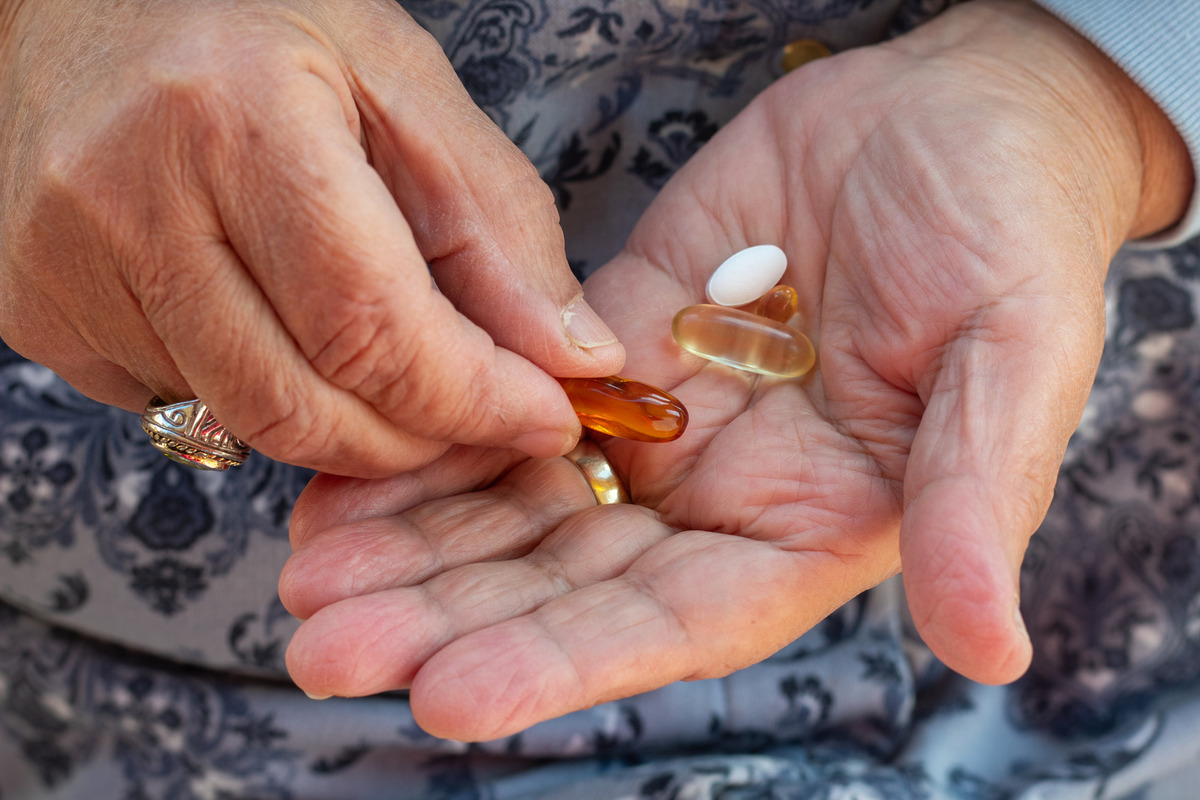
HRT is a common treatment for all types of menopause. It replaces the hormones your body starts to produce less of—mainly estrogen and sometimes progesterone. The main advantage of HRT is it can reduce the severity of common symptoms, including:
- Hot flashes
- Night sweats
- Sleep disruption
- Vaginal dryness and irritation
- Heightened irritability
- Increased anxiety and depression
The goal of early menopause treatment is to reach the normal hormonal levels expected at your age. Because of this, doctors typically prescribe higher doses than they would for women who reach menopause in their 50s. This will continue until you reach the average age of natural menopause, around 51, at which point you’ll start on a more standard dose. You may taper off it entirely as you age, as menopause symptoms tend to lessen over time.
Types of HRT
There are two main forms of HRT: estrogen only and combined therapy. Taking estrogen on its own can cause the lining of your uterus to thicken. To counteract this, doctors usually prescribe combined HRT, a treatment that also includes progesterone. Women who’ve had a hysterectomy don’t need to worry about this issue and can take HRT that only contains estrogen.
HRT treatment can come in a few different forms:
- Tablets: Pills contain estrogen and sometimes progesterone, which you take by mouth.
- Patches, gels, and sprays: Patches, gels, and sprays are available either as estrogen-only or combination therapy. Hormones enter your bloodstream directly through your skin. This route carries a lower risk of blood clots and is often the first choice for women with migraines, high blood pressure, or a history of clotting.
- Vaginal rings: This flexible ring sits inside the vagina and sends estrogen into your bloodstream over three months.
- Hormonal IUD: Doctors can insert a small device into your uterus that delivers progesterone to your body. You’ll still need to take estrogen separately.
- Creams, tablets, and inserts: Vaginal estrogen targets persistent vaginal dryness or urinary symptoms. But it's not a standalone treatment for early menopause because it doesn't provide bone, cardiovascular, or cognitive protection.
The health risks of untreated early menopause
Without HRT, women with early menopause spend years without the hormones their bodies would normally rely on. Research links this gap to a few key long-term health risks:
- Bone health: Estrogen slows the natural breakdown of bone tissue. Without it, bone density drops, and the risk of fractures goes up. A 2025 study found that at diagnosis, over half of women with early menopause already showed signs of bone loss.
- Cardiovascular health: Estrogen protects your blood vessels and keeps cholesterol in a healthy range. Research shows that women who went through menopause before turning 45 without estrogen replacement had higher rates of heart disease and related death.
- Cognitive health: Estrogen plays a role in maintaining memory and thinking skills. The FDA notes that women who start HRT within 10 years of menopause may reduce their risk of Alzheimer’s disease by around 35%.
- Psychological health: Estrogen and progesterone affect how your brain manages mood and stress. Progesterone activates the brain’s calming system, and estrogen keeps serotonin stable, protecting against anxiety and depression. A meta-analysis of over 67,000 women found that the earlier menopause starts, the higher the risk of depression, regardless of whether women had a history of it.
- Sexual health: Vaginal dryness, pain during sex, and low desire are common effects of falling estrogen levels. Experiencing these symptoms ahead of your peers can affect your sexual satisfaction and self-image.
Getting the right early menopause care with Maven Clinic
Too many women spend months or years hearing that their symptoms are stress, aging, or nothing to worry about. You deserve a care team that takes your concerns seriously.
A Maven Clinic specialist can help you understand your options and build a treatment plan tailored to your body and goals. When you’re dealing with early menopause, getting the right care early can protect your quality of life for decades to come.
FAQ
What’s hormone replacement therapy for women going through early menopause?
HRT is a treatment that restores the estrogen and sometimes progesterone your ovaries have stopped producing. For women with early menopause, HRT brings those hormones back to the levels your body expects for your age. It eases symptoms and protects your bone, heart, and brain until you reach the typical age of menopause.
Is HRT safe for early menopause in your 30s or 40s?
Yes. The BMS, NICE, and SOGC all recommend HRT for women with early menopause, noting that the benefits are likely to outweigh the risks. The FDA confirms that women who start HRT within 10 years of menopause can lower their risk of heart disease, bone fractures, and Alzheimer’s.
Who shouldn’t take estrogen replacement?
Women with certain conditions likely shouldn’t take HRT. These include:
- Hormone-sensitive cancers like breast cancer
- Unexplained vaginal bleeding
- Blood clots
- Stroke
- Heart attack
- Liver disease